
Canada
Last updated: 24 March 2026
At a glance
Canada offers cruising sailors immense, varied coastlines and inland seas, from British Columbia’s fjords and forested islands to Atlantic fishing villages, dramatic headlands, and the vast Great Lakes. Sheltered inside passages, well‑equipped marinas, and reliable haul‑out and repair facilities make extended cruises practical. Rich wildlife, welcoming coastal communities, and generally safe, well‑charted waters create a rewarding cruising experience, whether you’re seeking remote wilderness anchorages or easy hops between characterful towns and cities.
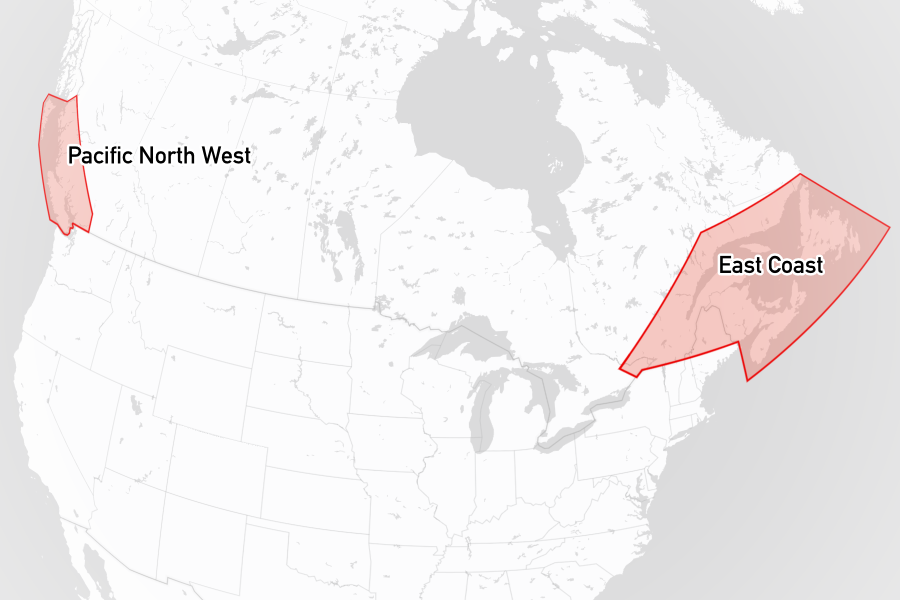
Explore sailing areas
Our sailing area guides contain the most useful information for cruisers, including top-rated places to stay, attractions, yacht services, and summaries of yacht clearance experiences.
- Pacific Northwest Popular for varied coastal cruising, strong tidal streams, and regular wildlife sightings.
- The East Coast Noted for historic ports, fishing communities, and established maritime traditions.
Yacht clearance and notes for mariners
See the relevant sailing area page above for details.
The off-season
Many Canadian yachts are hauled and stored ashore in marinas and boatyards during the off-season to protect them from winter weather. Others head south, to the US or Caribbean for warmer sailing conditions.
Facts for visitors
- Best times of year to sail here: June to September.
- Most common type of shore power: 110/220V 60Hz.
- Cost for provisioning: Medium. Local markets offer reasonable prices, while imported goods tend to be more expensive.
- Currency: Canadian Dollar (CAD).
- Personal security: Generally considered safe, though caution is wise in urban marinas or isolated areas.
- Emergency phone numbers:
- Police: 911
- Coast Guard: 911
- Ambulance: 911
- International dialing code: +1
- Time zone(s): UTC -3.5 to UTC -8
Maritime history
Canada's maritime history is deeply intertwined with its indigenous peoples, who navigated its waters for millennia. Indigenous communities skilled in woodland and coastal navigation played a crucial role in early exploration. With Europeans arriving in the 16th century, maritime activity intensified, kickstarting an era of exploration and fishing industries.
The 17th and 18th centuries witnessed the growth of the fur trade, prominently involving French and British interests. Major ports developed during this period, with Halifax, Quebec City, and St. John's becoming critical nodes for Atlantic trading. Conflicts between colonial powers led to fortified harbours, many of which can still be explored today.
Modern Canada continues a rich maritime tradition, with a significant presence in global shipping and unique cultural ports. A visit to cities like Halifax offers insights into Canada’s naval contributions, such as its role in World War II's Battle of the Atlantic. Standing at historic sites, sailors can appreciate Canada's ongoing maritime legacy and exploration spirit.