
United States Virgin Islands
Last updated: 26 January 2026
At a glance
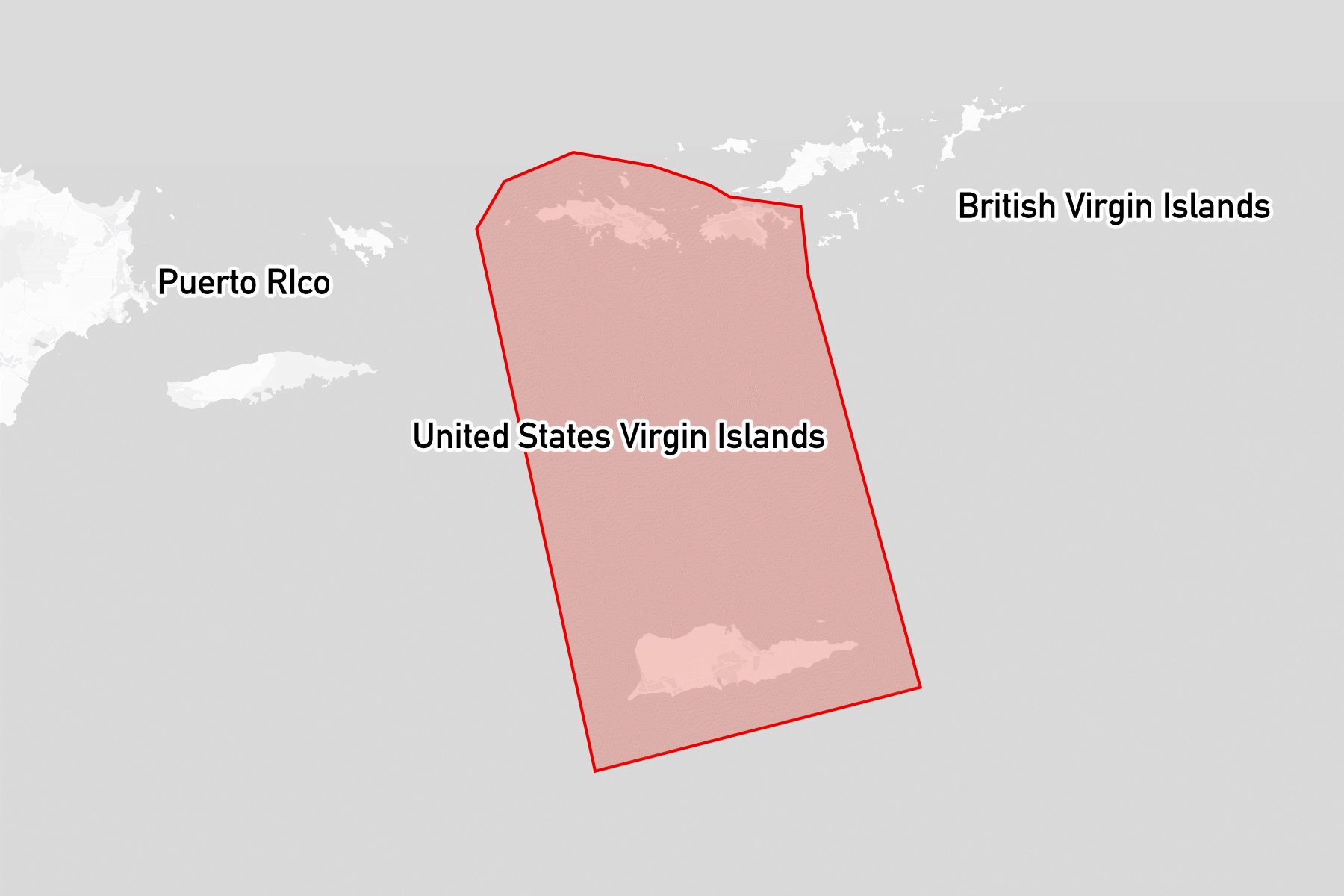
The United States Virgin Islands (USVI) form a compact cruising area with short passages between islands. Movement between St. Thomas, St. John, and St. Croix gives access to distinctly different cruising environments from busy harbours to serene anchorages, all supported by well-developed yachting infrastructure.
Attractions
St. Thomas is known for yachting facilities ranging from full-service marinas to good provisioning locations, with activity centered around the capital, Charlotte Amalie.
St. John is appreciated for its natural landscapes, numerous protected anchorages and many hiking trails. Visitors to St John often visit the Annaberg Sugar Plantation, a well-preserved historic site that illustrates the island’s plantation history. The Reef Bay Trail walk combines an easy forest hike with time to linger at one of the island’s most distinctive archaeological sites where petroglyphs, carved rock symbols, sit beside a shaded waterfall and pool in a natural rock amphitheatre.
St. Croix, the southernmost island, is less visited and has a quieter feel.
Places to stay
Below are the most popular and highly rated places to stay, based on reviews from the noforeignland community:
Anchorages

|
Buck Island Anchorage
★
5.0
Buck Island Anchorage offers a unique environment for various activities. Visitors can enjoy quiet nights and explore the island, particularly appreciating the snorkel opportunities and the abundance of marine life. Recent changes indicate that an anchoring permit is no longer required.
|

|
Hansen Bay
★
4.8
Anchoring in Hansen Bay offers calm conditions and good holding in favored spots. The area features public beaches, snorkeling opportunities, and local amenities including donation-based services. Visitors reported encounters with wildlife such as turtles and interesting rock formations.
|

|
Pelican Rock South
★
4.7
Anchorage offers a peaceful environment, with calm waters and good protection from swell. Visitors report sightings of sea turtles and a variety of fish. Anchors hold efficiently, although some gentle wind might cause slight rolling.
|

|
Brewers Bay
★
4.5
This anchorage features calm conditions and good holding for mooring. Visitors often observe sea turtles and can access local amenities, although some express concerns about airport noise and anchoring over coral structures. Frequent tour boat traffic can affect the bay's tranquility.
|

|
Magens Bay
★
4.3
Characterized by a sandy bottom, this anchorage offers good holding conditions. Visitors appreciated easy dinghy access and the generally calm waters, although some noted wind issues. Facilities are available, though crowd levels can fluctuate depending on cruise ship schedules.
|

|
Frederiksted Anchorage
★
4.3
Anchoring north of the pier generally provides good holding. While the area is usually calm, a northerly swell may create discomfort. Visitors can enjoy excellent diving and local amenities, but should be cautious during local events due to noise.
|

|
Christiansted Harbor
★
4.3
Calm and clear conditions offer good anchoring with a protective reef. Convenient access to grocery stores and dinghy docks is noted. Seaplane activity and wind chop can be expected but generally do not detract from the experience.
|

|
Honeymoon Beach
★
4.1
Anchoring conditions are challenging due to numerous privately owned mooring balls. The bay features a beach with activities and dining options. Water quality can decline after heavy rains, impacting swimming and activities.
|

|
Christmas Cove
★
4.0
Clear waters and abundant sea life enhance the charm of this anchorage. Reviewers appreciate the good holding and enjoyable snorkeling opportunities. However, concerns about crowded conditions and the state of mooring buoys have been raised.
|

|
Jersey Bay
★
3.7
Anchorage conditions can vary significantly. Good holding is noted in sand patches, while proximity to sunken boats poses challenges. Daytime boat traffic is heavy, but night offers a quieter experience.
|
Marinas

|
Crown Bay Marina
★
4.0
The marina features friendly staff and convenient access to groceries within walking distance. However, several reviews indicate it is overpriced. Noise levels may be an issue; earplugs are provided at check-in.
|

|
American Yacht Harbor
★
3.7
Friendly staff and docking assistance are noted features. Prices are regarded as high, with multiple visitors highlighting limited amenities such as bathrooms. Proximity to restaurants and a grocery store is beneficial for most users.
|
Moorings

|
Little Lameshur Bay
★
5.0
Solitude characterizes this destination, with reports of minimal boat traffic and peaceful nights. Observations of marine life, including turtles, contribute to a pleasant experience. Rolly conditions can occur with certain swells, yet access to nearby hiking and snorkeling enhances the appeal.
|

|
Maho Bay
★
4.9
Maho Bay features calm waters and an abundance of marine life including turtles and rays, making it suitable for activities like paddle boarding and snorkeling. The mooring balls are well maintained, and visitors enjoy the clear conditions. Crowding can occur at times.
|

|
Waterlemon Bay
★
4.8
Snorkeling is highly regarded, featuring diverse marine life including turtles and rays. Visitors appreciate the peaceful environment and multiple hiking trails. Moorings are well-maintained, though some report discomfort due to boat traffic.
|

|
Buck Island
★
4.8
Snorkeling repeatedly receives mention for its vibrant marine life. Visitors report clear water and fun experiences near the wreck and boulders. Expect busy mornings, particularly with local day trips, which may occupy moorings.
|

|
Great Lameshur Bay
★
4.6
Great Lameshur Bay features well-maintained mooring balls and offers protection from northeast winds. Visitors enjoy clear waters, hiking trails, and good snorkeling opportunities. The area provides easy dinghy access to shore, enhancing its tranquil appeal.
|
Boat services
Below are the most popular and highly rated boat services, based on reviews from the noforeignland community:
Boatyards

|
Independent Boat Yard
★
3.0
The boat yard offers haul-out services with fast and friendly service. It allows visitors to work on their own boats. However, conditions may be challenging due to pests and some facility maintenance issues.
|
Chandlers
|
No image
|
Neptune Fishing Supply
★
5.0
Neptune Fishing Supply offers a wide range of fishing supplies. Visitors describe it as a fantastic shop. Additional experiential details or conditions were not mentioned.
|
|
No image
|
Quantum Sails
★
4.5
Quantum Sails provides Z-Spar parts and repair services. Reviews indicate prompt email responses and on-time repairs for sails. Visitors mention helpful service and efficient delivery.
|

|
Budget Marine St. Thomas
★
4.3
The inventory at Budget Marine St. Thomas is reported to be better than at Island Marine Outfitters. Pricing is variable, with some items closely aligned to U.S. prices, while others, particularly bottom paint, are higher. The stock includes a robust supply of maintenance materials.
|

|
Island Marine Outfitters
★
3.0
Island Marine Outfitters has a limited selection of items. Visitors may find it lacking in variety for their needs. It's advisable for those requiring specific gear to consider alternatives.
|
|
No image
|
Skipper Shop
★
2.0
The shop offers some basic supplies but lacks inventory as noted by visitors. It appears to have limited stock available. Visitors should check recent Reviews for additional context or updates.
|
Boat services
|
Service includes filling SodaStream canisters, completed efficiently within a day. Staff are friendly and able to assist with orders for safety equipment. Refilling costs are about $25 per canister as of February 2026.
|
Yacht clearance links
Useful yacht clearance links:
- Customs & Border Protection: CBP ROAM app
- https://www.cbp.gov/about/mobile-apps-directory
- Customs & Border Protection: DTOPS website - Private Vessel Decal (Annual User Fee)
- https://dtops.cbp.dhs.gov/home
- Customs & Border Protection: Report CBP of boat movements
- https://www.cbp.gov/travel/pleasure-boats/pleasure-boat-locations
Yacht clearance reviews
The following lists summarize noforeignland user reviews for clearing in at ports of entry and when using clearance agents in United States Virgin Islands :
Ports of entry offices
|
Cruz Bay CBP Office
★
4.2
Offers: Customs, and immigration.
Office procedures for clearance can be varied. Non-US citizens often need to visit in person for biometric data, with some experiencing delays. Staff generally exhibit friendliness and professionalism during interactions.
Place details mention: check in steps, required documents, fees or payments, prearrival requirements and visitor visa requirements.
|
|
St Croix CBP Office
★
4.0
Check-in procedures require non-US residents to travel to the airport for B1/B2 visa processing and passport stamping. Friendly customs and immigration officers advise filing complaints to reopen a local office. A taxi to the airport costs $25 each way.
Place details mention: check in steps, required documents, cruising permits and visitor visa requirements.
|
|
Offers: Customs, and immigration.
The office is typically not open for private sailors, requiring visits to an alternate location. Advance appointments are necessary for check-in procedures. Visitors should check recent Reviews for additional context or updates.
Place details mention: opening hours and prearrival requirements.
|
|
Check-in procedures are conducted at the Customs Office. Staff have shown efficiency and helpfulness, though complications with the CBP app have been reported. It is advised to have forms printed before arrival, as completing them on site can be done if necessary.
Place details mention: opening hours, check in steps, required documents, prearrival requirements and cruising permits.
|
Notes for mariners
Navigation is mostly line‑of‑sight between the main islands, but reefs and shoal areas mean careful navigation is required.
The off-season
In the quieter months there is less general visitor traffic in the USVI, but harbours, fuel docks, and key marine services remain available to yachts using the islands as a base or stopover. Most cruisers move their boats to boatyards further south for storage, while others stay in the territory on haul‑out or secure moorings.
Facts for visitors
- Best times of year to sail here: December to March
- Most common type of shore power: 120/240 V V, 60 Hz
- Cost for provisioning: High. Local markets offer reasonably priced staples but imported goods are noticeably more expensive than in the USA
- Currency: U.S. Dollar (USD)
- Personal security: Generally safe with standard precautions recommended in urban areas
- Emergency phone numbers:
- Police: 911
- Ambulance: 911
- Fire Service: 911
- International dialing code: +1 340
- Time zone(s): UTC -4
Maritime history
The maritime history of the United States Virgin Islands is shaped by their sheltered harbours and position along key Caribbean sea routes. Before European contact, Indigenous communities used the surrounding waters for fishing and inter-island travel. European interest followed quickly after Columbus passed the islands in 1493, driven less by agriculture and more by their value as ports and waypoints.
Under Danish rule from the 17th to 19th centuries, St Thomas developed into one of the Caribbean’s most important free ports. Its deep, protected harbour attracted merchant shipping, naval vessels, and privateers, making it a focal point for regional trade rather than plantation output. Maritime infrastructure, fortifications, and customs systems were built to support constant ship traffic and transshipment.
The transfer of the islands to the United States in 1917 reinforced their strategic maritime role. Naval facilities were expanded during the 20th century, particularly around Charlotte Amalie, while commercial shipping declined relative to neighbouring hubs. Recreational sailing grew steadily after World War II as cruising yachts began using the islands’ short passages and sheltered bays.
Today, the USVI’s maritime identity is dominated by recreational boating. Mooring fields, protected anchorages, and national park waters define how visiting yachts use the islands, with cruising routes centred on short hops between St Thomas, St John, and St Croix rather than long-distance trade. The modern sailing landscape reflects centuries of harbour-focused maritime use adapted to contemporary cruising patterns.