
Trinidad and Tobago
Last updated: 26 January 2026
At a glance
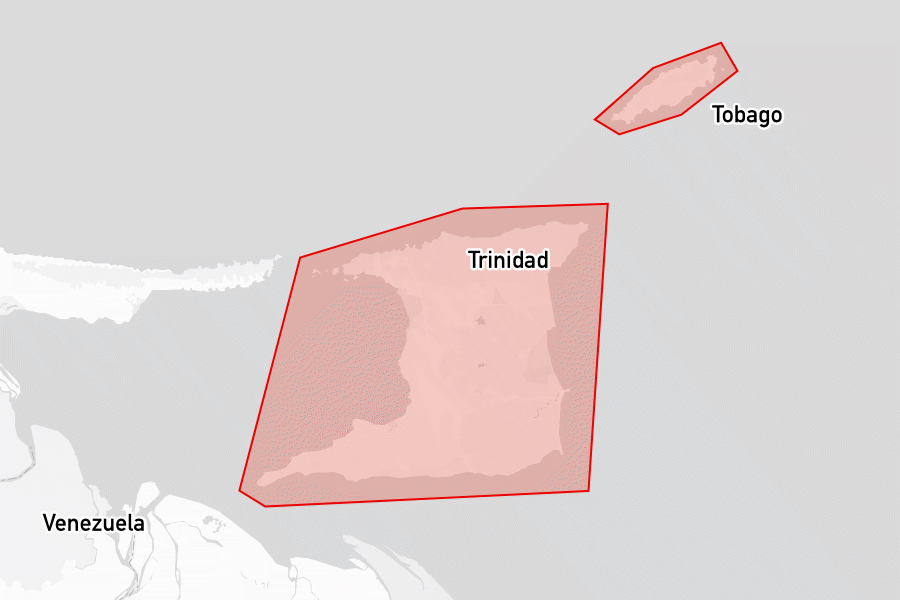
Trinidad and Tobago sit at the southern end of the Lesser Antilles, close to the coast of South America. Trinidad is a major service and storage hub for cruising yachts, with marinas and boatyards concentrated around Chaguaramas. Tobago offers a smaller set of anchorages with fewer facilities and more exposed coastal conditions.
Explore sailing areas
Our sailing area guides contain the most useful information for cruisers, including top-rated places to stay, attractions, yacht services, and summaries of yacht clearance experiences.
- Trinidad The Chaguaramas area on Trinidad’s northwest coast brings together most of the country’s marinas, haul‑out yards, and marine services used by yachts staying for refit, storage, and hurricane‑season lay‑up.
- Tobago Has a smaller number of anchorages and shore facilities, and visiting yachts mainly use it for coastal cruising, day stops, and diving or snorkelling on nearby reefs.
Yacht clearance and notes for mariners
See the relevant sailing area page above for details.
The off-season
Trinidad lies south of the main hurricane belt, and many yachts use the marinas and boatyards in Chaguaramas as a base for storage, refit, and long‑term lay‑up through the hurricane season. Tobago sees fewer long‑stay yachts, with most crews either returning to Trinidad or moving north to Grenada.
Facts for visitors
- Best times of year to sail here: December to May
- Most common type of shore power: 115V 60Hz (US‑style plugs)
- Cost for provisioning: Medium
- Currency: Trinidad and Tobago Dollar (TTD)
- Personal security: High crime rates in Trinidad. Several governments advise a high degree of caution.
- Emergency phone numbers:
- Police: 999
- Fire: 990
- Ambulance: 811
- International dialing code: +1-868
- Time zone(s): UTC -4
Maritime history
Before European contact, Trinidad and Tobago were home to Indigenous communities, including Arawak and Carib peoples who used coastal routes and local waters for fishing and inter‑island travel. Columbus recorded the islands in 1498, and over the following centuries they became part of the Spanish and then British colonial systems.
Under British rule, Trinidad and Tobago were developed as plantation and trading colonies, exporting sugar, cocoa, and other goods by sea to regional and trans‑Atlantic markets. Ports such as Port of Spain grew as administrative and commercial centres, with coastal fortifications and harbour works reflecting their role in regional shipping and defence.
In the 20th century, the growth of oil and gas production in and around Trinidad shifted much of the islands’ maritime activity toward tankers, offshore supply vessels, and related industrial shipping. Today, commercial ports handle energy exports and general cargo, while areas such as Chaguaramas host marinas, boatyards, and support services used by cruising yachts moving through the southern Caribbean. Visitors can still see traces of earlier coastal defences and colonial trade at sites such as Fort George above Port of Spain.