
Sint Maarten
Last updated: 3 February 2026
At a glance
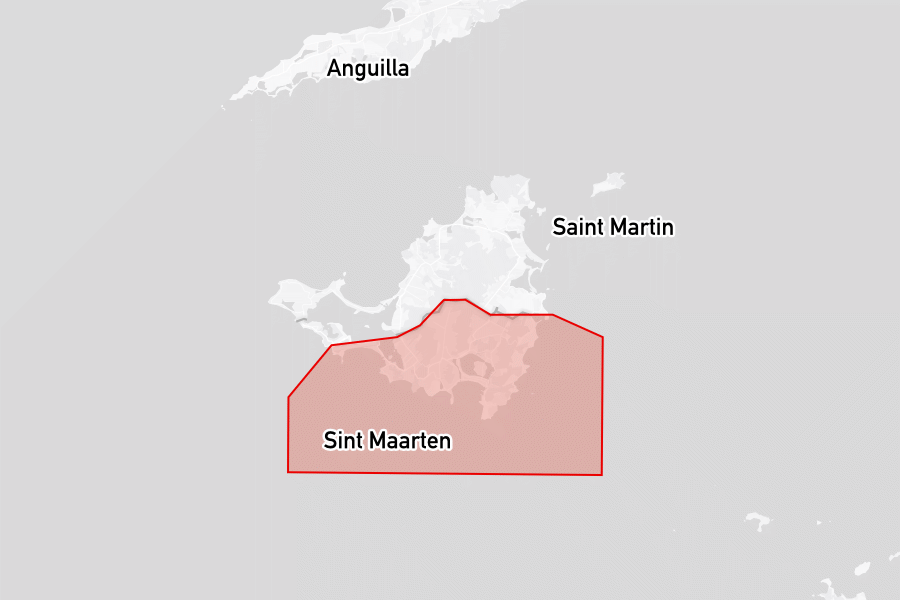
Sint Maarten lies in the northeastern Caribbean. The Dutch side functions as a major maintenance and refit centre for visiting yachts, with a dense concentration of marinas, boatyards, and marine services that draw boats from across the region.
Attractions
Philipsburg, the island’s capital, is a practical stop for provisioning, hardware, and transport links, with shops and restaurants close to the waterfront. Crews often use it as a base for going ashore between work in the lagoon and nearby anchorages.
A visit to Sint Maarten often includes Maho Beach, where aircraft on approach to Princess Juliana International Airport pass low over the shore. The beach is within easy reach of nearby anchorages and marinas, and sees a steady flow of visitors from both land and sea.
If you are a dog lover looking for something different ashore, SXM Paws offers volunteering opportunities that some cruising crews describe as a memorable and rewarding break from boat projects.
Places to stay
Below are the most popular and highly rated places to stay, based on reviews from the noforeignland community:
Anchorages
|
No image
|
Calm waters and easy access to shops are positive features. However, many mentioned dirty water, barnacle growth, and persistent noise from aircraft. Holding may be challenging due to sea grass, which has affected anchor set for some visitors.
|

|
Great Bay
★
3.0
Anchoring at Great Bay is characterized by tranquil conditions compared to other locations, with some reports of rolling from traffic. Visitors noted high costs for anchorage compared to nearby areas. Provisioning options are available nearby, and the town offers several dining establishments.
|

|
Simpson Bay
★
3.0
The anchorage offers good holding in sand with a depth of 2-4m. Visitors report significant rolling conditions from swell, making for an uncomfortable stay. Multiple dinghy docks provide easy access to local resources, but the area can be noisy due to nearby air traffic.
|
Marinas

|
Visitors benefit from efficient clearance processes and professional staff. Amenities include a gym, pool, and proximity to a grocery store. Many express satisfaction with the value and overall upkeep of the marina.
|
|
No image
|
Bobbys Marina
★
4.8
Bobby's Marina offers haul-out services for various repairs, including bottom painting and shaft replacements. Visitors have noted good communication from staff and reasonable rates. Personal experiences indicate the bathroom facilities are managed but somewhat inconvenient.
|
|
No image
|
Lagoon Marina
★
4.5
Lagoon Marina provides essential services with helpful staff and good access to local suppliers. Multiple visitors appreciate the clean showers and the vibrant community atmosphere, while some mention the proximity to necessary supplies. The bar at Lagoonies enhances the social experience for visitors.
|

|
Simpson Bay Marina
★
4.4
Favorable experiences have been reported about the marina's staff and facilities, particularly the helpful dockhands and available amenities like the gym and pool. Many visitors highlight the convenience of nearby restaurants and provisioning options within walking distance.
|
Boat services
Below are the most popular and highly rated boat services, based on reviews from the noforeignland community:
Boatyards

|
IMM SXM Shipyard
★
4.0
Service involves yard operations with a relaxed atmosphere. Visitors may need to monitor work closely due to potential communication issues. Prices have increased, leading some to explore alternatives, but the community aspect remains valued.
|
Chandlers

|
Service at Island Water World is marked by helpful staff who assist in sourcing parts and products. Many visitors commend the wide selection and competitive prices. The store is well-stocked, making it easy to find required items.
|

|
The store has a wide range of products available, with helpful staff mentioned by multiple visitors. Access via the dinghy dock is convenient. While prices are competitive, some visitors felt duty-free claims were not substantiated.
|
Boat services
|
Emergency sail and canvas repair services are available at Tropical Sail Loft. Visitors reported efficient turnaround times, with quick repairs completed for under $100. The knowledgeable staff show dedication and have received several positive experiences related to their service.
|
|
Graham Roeberts (diver)
★
5.0
Efficient service is a prominent feature noted in Reviews. Visitors appreciated prompt communication and skilled workmanship, including detailed reporting with photos of the work performed. The friendly and professional demeanor of the team has led to recommendations for their services.
|
|
Electec Service Center
★
5.0
Service for generator repairs and autopilot maintenance is available. Staff demonstrates efficiency with quick diagnostics and repairs, while maintaining good communication. Users report positive experiences with personnel, particularly highlighting professionalism and responsiveness.
|
|
Electrical issues, including autopilot and alternator problems, have been addressed effectively by the service team. Visitors describe Terrell as highly responsive and detail their ability to resolve issues quickly. The service is available and demonstrates a commitment to customer support.
|
|
Yamaha services motor maintenance with promptness and friendliness. Positive interactions and good pricing contribute to a favorable visitor sentiment. Efficiency in service execution is evident, indicating a reliable service experience.
|
|
Island Marine Air
★
5.0
Greg Ault is noted for his proficiency in refrigeration repairs. Multiple Reviews highlight quick service and effective problem resolution. Appointments are arranged efficiently and he is described as knowledgeable and professional.
|
|
Staff are generally professional, prompt, and organized, particularly with rigging services. Some customers had issues with communication and service quality, particularly in welding tasks. The serviceability and craftsmanship in rigging, especially the stays, received high praise.
|
|
A Yanmar service provider offers help with engine repairs and spare parts. Staff display considerable knowledge, particularly in diagnosing problems. Some concerns exist regarding the service quality and follow-through in certain cases.
|
Yacht clearance links
Useful yacht clearance links:
- Sint Maarten Marine Trades Association: Yacht information
- https://yachtingstmaarten.com/maritime-information/
- Noonsite: Clearance procedures, processes and fees.
- https://www.noonsite.com/place/sint-maarten/
Yacht clearance reviews
The following lists summarize noforeignland user reviews for clearing in at ports of entry and when using clearance agents in Sint Maarten:
Ports of entry offices
|
The clearance process tends to be time-consuming with delays reported, especially during staff lunch breaks. Interaction with officials appears inconsistent, with some visitors experiencing rudeness while others found staff friendly. Visiting at off-peak times may improve efficiency.
Place details mention: required documents, fees or payments, opening hours and check in steps.
|
|
The clearance process involves presenting prior port documents. Staff have been noted for being unhelpful, and costs appear random without prior publication. Multiple visitors reported inefficiencies, particularly with extended wait times due to unscheduled office closures.
Place details mention: check in steps and opening hours.
|
Notes for mariners
On the Dutch side, anchoring in Simpson Bay and parts of Simpson Bay Lagoon usually attracts local anchoring and lagoon fees, and bridge transits follow published schedules and charges. The lagoon is shared between Dutch and French jurisdictions, so rules and fees differ between sectors, and skippers typically confirm current requirements on both sides before choosing where to anchor or berth.
Line fishing from yachts does not normally require a general licence, but spearfishing is restricted for visitors, and separate marine‑reserve regulations can limit both fishing and anchoring in designated protected zones.
The off-season
During hurricane season, many cruising yachts either leave Sint Maarten or haul out locally. Boatyards on the island offer hurricane storage with tie‑downs and mast removal, and other crews head farther south in the Lesser Antilles.
Facts for visitors
- Best times of year to sail here: December to April
- Most common type of shore power: 110/220V 60Hz
- Cost for provisioning: Medium. Local markets often offer better value than marina-area stores.
- Currency: Caribbean guilder (XCG)
- Personal security: Crime levels are low to moderate, with petty theft and some violent incidents reported; visitors should take normal city‑level precautions, especially in tourist areas and at night.
- Emergency phone numbers:
- Police: 911
- Ambulance: 912
- Coast Guard: 913
- International dialing code: +1-721
- Time zone(s): UTC -4
Maritime history
Sint Maarten’s maritime history is shaped primarily by the sea rather than inland agriculture. Before European settlement, Arawak and later Carib communities used coastal navigation and inter-island exchange. Although Christopher Columbus is traditionally credited with sighting the island in 1493, its main maritime role developed in the 17th century with the exploitation of salt ponds, which were important for regional trade and food preservation.
Salt exports drew sustained Dutch and French interest and concentrated activity around Great Bay and nearby lagoons. Rather than prolonged conflict, the two powers formalised shared control under the Treaty of Concordia in 1648, allowing continued shipping, provisioning, and trade across a divided island. This arrangement influenced how harbours were used, how customs were managed, and where coastal defences were built.
During the 17th and 18th centuries, Sint Maarten functioned as a regional maritime node. Sheltered bays supported inter-island trade, privateering, and coastal commerce, while fortifications such as Fort Amsterdam focused on protecting anchorages and controlling access to nearby waters.
In the modern era, maritime activity has shifted toward yachting and marine services. Development around Simpson Bay Lagoon has made Sint Maarten a major cruising and refit hub, supported by marinas, boatyards, and events such as the St Maarten Heineken Regatta. The island’s role in regional sailing now centres on access to services, repair facilities, and established routes through the northeastern Caribbean.