
Jamaica
Last updated: 26 January 2026
At a glance
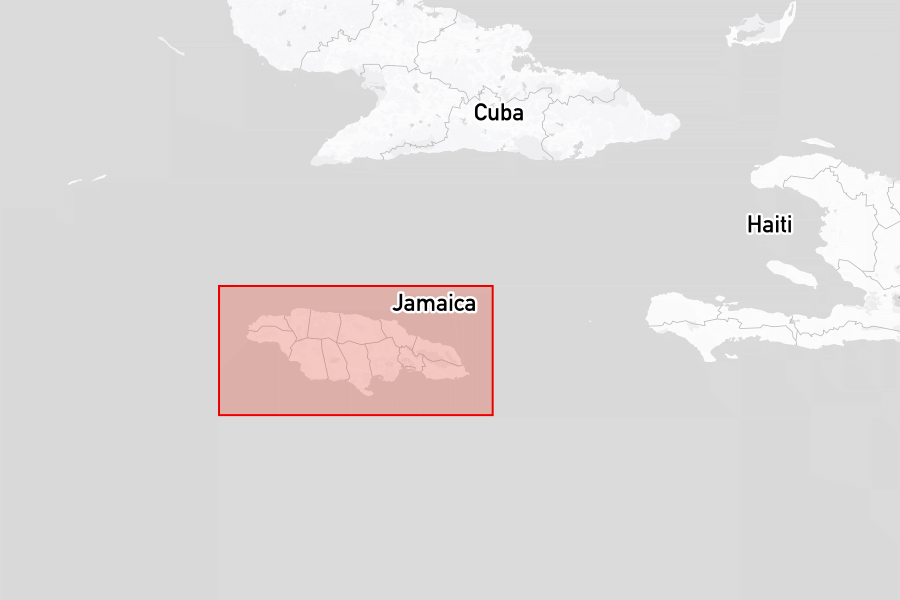
Jamaica is located in the northern Caribbean, around 90 nautical miles south of Cuba and 100 miles west of Haiti. Jamaican culture blends African, European, and Caribbean influences and is widely recognised for its music, food, language, and strong sense of national identity.
Important: Visitors should verify current conditions before arrival, as Hurricane Melissa in 2025 may have affected depths, facilities, and clearance arrangements at some locations.
Attractions
Along the north coast, Montego Bay has a yacht club with marina facilities plus easy access to supermarkets, fuel, and shore services, so it is a common stop for clearance and reprovisioning before or after coastal trips.
In Kingston, many crews visit the Bob Marley Museum, set in the reggae legend’s former home and studio. Guided tours walk through preserved rooms, memorabilia, and exhibits that trace Marley’s life and Jamaica’s modern musical history, and it is an easy day trip from the Royal Jamaica Yacht Club area by taxi.
Places to stay
Below are the most popular and highly rated places to stay, based on reviews from the noforeignland community:
Anchorages

|
Oracabessa
★
4.9
This anchorage features beautiful scenery and a tranquil atmosphere, with enough room for several boats. Visitors report friendly locals and activities including fishing and paddle boarding. The area has some amenities, but the space can be limited.
|

|
Bloody Bay
★
4.3
Anchoring is possible in sandy patches with good protection from swell and fetch. Facilities have encroached upon the bay, affecting available spots. Multiple visitors found a bar on the beach to have good service and music.
|

|
Bowden Bay
★
4.3
Bowden Bay provides excellent protection for anchoring, with depth around 25 feet. Visitors reported efficient clearance processing by Harbor Police, although access to nearby towns may be limited. Scenic views are noted, but fewer activities available nearby.
|

|
Discovery Bay
★
4.2
Sheltered anchorage is available with depths of 4.5 to 10 meters. Visitors mention the clear water and good holding, though roll from swells can occur. Access to local amenities and friendly locals enhance the experience.
|
|
No image
|
Montego Bay
★
4.0
Anchoring is feasible with good holding noted in depths around 6 to 10 feet. Access to Port Authorities requires a dinghy ride of approximately 1 nautical mile, with friendly staff acknowledged. A black water tank is mandatory for check-in.
|

|
Royal Jamaica Yacht Club
★
4.0
The anchorage features a calm setting and provides access to marina amenities for a fee. Friendly staff assist with customs and immigration. However, some visitors expressed concerns about local environmental cleanliness due to debris in the water.
|

|
Pigeon Island
★
4.0
The anchorage allows for good holding in sand with depths suitable for varying winds. Visitors experienced active marine life, such as stingrays and manatees. Exposure to wind and swell is common, with a transition from day party boats to quiet evenings.
|

|
Ocho Rios
★
3.5
The anchorage offers good access to services including grocery shopping and dinghy landing. Daytime noise from water sports can be disruptive. Visitors recommend avoiding weekends due to overcrowding from cruise ships and vendors.
|

|
East Harbour Bay
★
3.4
Anchoring conditions include mud bottom with depth around 5.5 meters. Visitors appreciate nearby amenities such as bars and restaurants. Landing the dinghy may pose challenges at some locations.
|

|
Great Bay
★
3.3
The anchorage experiences significant swell, making it rolly for boats. Visitors appreciate the local dining options and find utility in nearby emergency supplies, but swimming opportunities are limited. Access for dinghies is challenging due to shore break.
|
Marinas

|
Royal Jamaica Yacht Club
★
4.7
A calm anchorage allows use of marina amenities for a small daily fee. Visitors appreciated the friendly and helpful staff, particularly the manager Peter. The pool and bar facilities are notable, though the cost of laundry raised some concerns.
|

|
Montego Bay Yacht Club
★
4.3
Anchoring can be challenging due to wind, with some suggesting better spots across the harbor. The marina features friendly staff and various facilities, including a restaurant and bar. Diesel availability appears inconsistent, with a recent remark about emptiness requiring off-site fueling.
|

|
Marina features a pool, clean showers, and friendly staff, enhancing visitors' experiences. Check-ins can take time, and dissatisfaction with staff responses has been noted. Securing affordable dock rates contributes to a positive view among some visitors.
|
Boat services
Below are the most popular and highly rated boat services, based on reviews from the noforeignland community:
Boatyards

|
Port Antonio Ship Yard
★
3.0
The shipyard is not fully operational. Security is noted, but services and parts are limited. Visitors should check recent Reviews for additional context or updates.
|
Chandlers

|
Durae's Boat Sales & Marine Supplies has a wide range of boat parts available. Staff members are described as friendly and knowledgeable. Visitors may find contacting the owner via WhatsApp to be effective.
|
|
No image
|
CJ watersports
★
5.0
The chandler provides assistance with arranging fuel transport, facilitating a car and driver for visitors. They also allow free use of their dinghy dock for an extended period. The helpful staff enhances the overall experience.
|
Yacht clearance links
Useful yacht clearance links:
- Maritime Authority of Jamaica: Cruising permit application
- https://cruise.maritimejamaica.com/Applications/cruise/app_start
- Noonsite: Clearance procedures, processes and fees.
- https://www.noonsite.com/place/jamaica/
Yacht clearance reviews
The following lists summarize noforeignland user reviews for clearing in at ports of entry and when using clearance agents in Jamaica:
Ports of entry offices
|
Port Antonio Customs
★
5.0
Offers: Customs.
The clearance process involves several steps, including immigration, customs, and health checks. All related interactions take about 3.5 hours and staff behavior is described as polite and helpful. It is recommended to notify customs 20 hours before departure if exiting from the same port.
Place details mention: check in steps, cruising permits and prearrival requirements.
|
|
Check-in and clearance procedures are handled promptly. Staff members are reported to be courteous during interactions. Visitors should check recent Reviews for additional context or updates.
|
|
Port Royal Clearance
★
5.0
Check-in requires visiting Customs and the Health Department for clearance before proceeding to immigration. The process, while lengthy, involved friendly interactions and helpful staff. Overall, expect a significant wait as several forms must be completed.
Place details mention: check in steps.
|
|
Offers: Customs, and immigration.
Check-in procedures are handled efficiently. Visitors report friendly staff, with clearance taking roughly one hour. Fees are approximately USD 10 per person, including access to facilities for 24 hours.
Place details mention: check in steps, required documents, fees or payments, opening hours and visitor visa requirements.
|
|
Port Royal Customs Dock
★
4.0
Clearance procedures require visiting multiple offices including health, immigration, and customs. The process involves filling out various forms, and visitors stay on their boats until clearance is completed. A cruising permit is necessary for moving around Jamaica if not checking in and out from the same port.
Place details mention: check in steps, required documents, fees or payments, opening hours, official inspections, official boardings and cruising permits.
|
|
Negril Clearance
★
3.5
A customs office operates for clearance with coordination expected through the Montego Bay Yacht Club. One user reported three days of stressful phone calls, while another found help organizing customs services. Communication with agencies may be challenging.
Place details mention: prearrival requirements.
|
|
Offers: Immigration.
The immigration office is operational, having relocated to a new site further east on the same road. Visitors mentioned friendly officers and efficient processes, with required documentation and navigation assistance provided. Experiences regarding accessibility vary, so check for recent updates.
Place details mention: opening hours.
|
|
Administrative processes involve clearing in and ensuring paperwork is organized. Check-ins at multiple stops may not be necessary according to local officials, but compliance with local police inspections is required. Visitors should check recent Reviews for additional context or updates.
|
|
Check-in procedures at the marina are mandatory for visitors arriving in Port Antonio. The clearance process involves several authorities and may take multiple hours. Fees vary based on anchoring choices, with some reviews indicating additional costs for check-in.
Place details mention: official boardings and official inspections.
|
|
Ocho Rio Marine Police
★
3.0
The office handled cruising permit checks but showed disinterest during the interaction. No consistent issues were reported, as only one review is available. Visitors should check recent Reviews for additional context or updates.
Place details mention: check in steps, required documents, fees or payments, prearrival requirements, cruising permits and official boardings.
|
|
Bowden Harbour Officials
★
2.0
The clearance process can be lengthy, with visitors experiencing significant waits before being allowed to go ashore. Health inspections and immigration checks occur after hours, complicating the clearance strategy. Visitors may be required to proceed to another port for customs clearance.
Place details mention: check in steps.
|
Notes for mariners
Weather around Jamaica is typically dominated by the northeast trade winds. From June to November, the island is subject to hurricane activity.
Yachts intending to cruise beyond their port of entry are required to obtain a cruising permit, and movements must be reported to the maritime authorities.
Fish aggregating devices (FADs) are reported along parts of the coast, and vigilance is advised.
The off-season
Jamaica does not have an off-season liveaboard community during the hurricane season, however some yards offer haul out and storage for cruising yachts.
Facts for visitors
- Best times of year to sail here: November to early April
- Most common type of shore power: 110V 50Hz
- Cost for provisioning: Medium, with local markets offering lower prices than imported goods.
- Currency: Jamaican Dollar (JMD)
- Personal security: Elevated crime rates, including violent crime, with higher risks in some urban areas.
- Emergency phone numbers:
- Police: 119
- Fire: 110
- Ambulance: 110
- Coast Guard: (876) 926-8121 (Ext 3006-7)
- International dialing code: +1-876
- Time zone(s): UTC -5
Maritime history
Jamaica's maritime history begins with the Taino people, who navigated these waters long before Columbus arrived in 1494. The island's position in the Caribbean made it a pivotal point for navigation and settlement. The early inhabitants utilized their seafaring skills for trade and cultural exchange among island communities.
During the 17th and 18th centuries, Jamaica emerged as a key player in the colonial maritime economy under British rule. Port Royal, once referred to as 'the wickedest city on earth,' was a bustling pirate haven until it was partially destroyed by an earthquake in 1692. It later became a naval stronghold, reflecting Jamaica's strategic importance in the Caribbean Sea-lanes.
Modern-day Jamaica still treasures its maritime roots. The historic naval port of Port Royal remains a point of interest for sailors with its links to piracy and colonial history. Additionally, Jamaica's annual sailing regattas and festivals are part of a vibrant maritime culture that draws sailors to its shores. Each event celebrates a seafaring legacy embedded in Jamaica’s coastal cities and communities. These elements continue to offer thriving maritime engagement for modern cruisers visiting the island.