
Grenada
Last updated: 22 January 2026
At a glance
Grenada is a country in the southern Windward Islands, consisting of three main islands: Grenada, Carriacou, and Petite Martinique. Yachting services, and a vibrant cruising community are based around the bays in the south of Grenada.
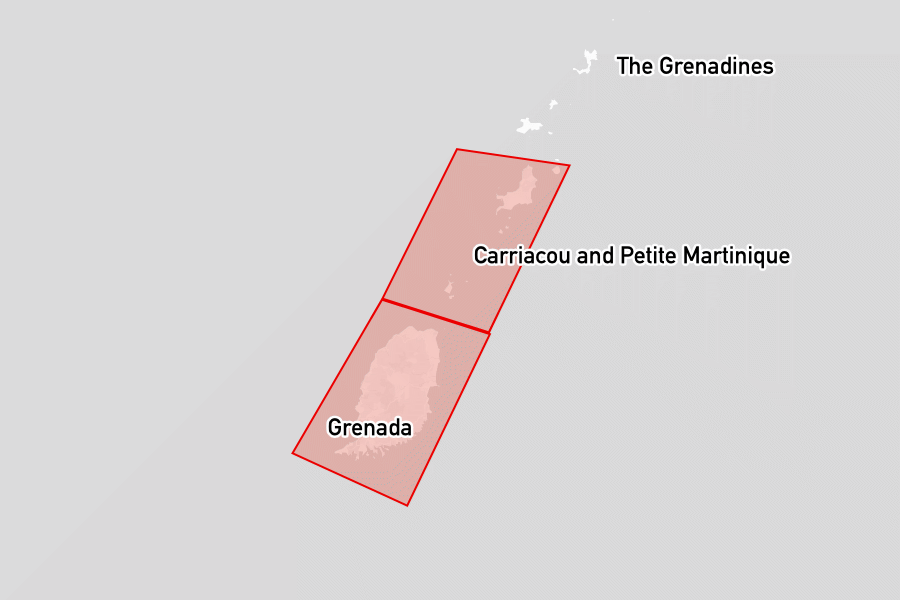
Explore sailing areas
Our sailing area guides contain the most useful information for cruisers, including top-rated places to stay, attractions, yacht services, and summaries of yacht clearance experiences.
- Grenada Offers vibrant ports and diverse marine services that accommodate extended cruising needs.
- Carriacou and Petite Martinique Known for traditional boatbuilding and immersive cultural experiences.
Yacht clearance and notes for mariners
See the relevant sailing area page above for details.
The off-season
Although still in the hurricane belt, Grenada serves as a hurricane refuge for many sailors. The region has established a strong network of marine services.
Facts for visitors
- Best times of year to sail here: November to June
- Most common type of shore power: 120/240V 50/60Hz
- Cost for provisioning: Medium
- Currency: Eastern Caribbean Dollar (XCD)
- Personal security: Generally safe with standard precautions in urban areas
- Emergency phone numbers:
- Police: 911
- Coast Guard: 444-1933
- International dialing code: +1 473
- Time zone(s): UTC -4
Maritime history
Grenada has a compelling maritime history shaped by its strategic location and vibrant cultural evolution. Initially settled by the indigenous Arawak and later the Carib people, these cultures emphasized seafaring and coastal navigation. European exploration began with Columbus's sighting in 1498, marking the start of European encroachment and colonial ambitions.
The island became a point of contention between French and British forces, reflecting shifting colonial powers in the Caribbean. Under French rule, Grenada developed significant trade in sugar and spices, which was facilitated by advancements in maritime technology and increased shipping. The exchange of control between colonial powers imprinted diverse cultural and architectural influences across the island.
Maritime heritage continues today, illustrated by traditional boatbuilding practices, particularly in Carriacou. The island's craftsmen maintain ancestral techniques, creating unique vessels from sturdy cedar. Additionally, the capital, St. George’s, remains a bustling port emblematic of Grenada's enduring connection to global sea trade and vibrant cultural legacies.
Grenada’s maritime legacy is visible in preserved fortifications and historical sites. Fort George and other coastal defences reflect the island’s former strategic military role and the long-term resilience of its coastal communities.