
Cuba
Last updated: 21 January 2026
At a glance
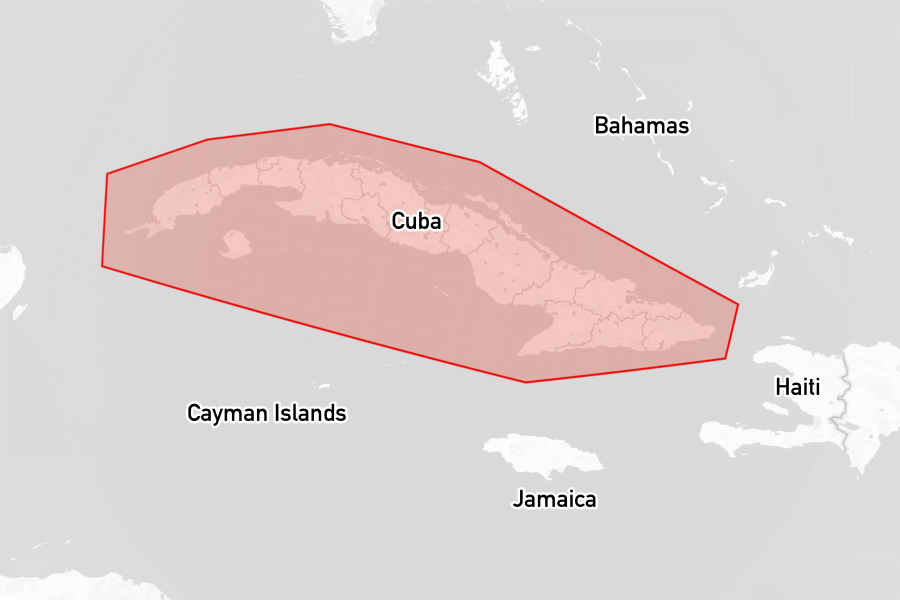
Cuba offers one of the Caribbean’s longest and most varied cruising coastlines, with large areas of remote cays, shallow banks, and limited development.
Cruising here is defined by formal clearance procedures, restricted movement, and reliance on official ports and marinas. Boats should be largely self-sufficient, as obtaining food, fuel, and boat spares can be very difficult. For sailors prepared to plan carefully and operate independently, Cuba provides access to sparsely visited cruising grounds unlike those anywhere else in the region.
U.S. citizens should be aware that additional travel regulations apply when visiting Cuba, and it’s sensible to confirm current requirements before travelling.
Attractions
Havana is a major draw for visiting sailors, offering a dense mix of art, music, and everyday street life. Galleries and murals are woven into daily life, and classic cars remain a working part of the city’s transport, giving Havana its unmistakable character.
West of the city, the streets of Fusterlandia form an open-air art district built around colorful mosaics and sculptures. It’s just a short walk for crews staying at Marina Hemingway, and a popular stop when exploring the surrounding neighborhoods.
In western Cuba, Viñales Valley is a common inland excursion. Visitors often stay with local families in one of the town’s many guest houses and visit tobacco farms where traditional methods are still used to grow and process leaves for Cuba’s famous cigars.
Along the south coast, cruising sailors are drawn to both the historic city of Cienfuegos, an elegant waterfront town with neoclassical streets and plazas, and Trinidad, a well-preserved colonial city known for its cobblestone streets, colorful houses, and lively plazas.
Places to stay
Below are the most popular and highly rated places to stay, based on reviews from the noforeignland community:
Anchorages

|
Cayo Campo
★
4.8
Anchoring at Cayo Campo features strong holding in deep sand. Rangers are friendly, with several visitors highlighting enjoyable communal experiences, including shared meals. Strong currents occur in the channel, which may require cautious navigation.
|

|
Punta Frances
★
4.8
The anchorage features crystal clear water and a beautiful beach. Visitors enjoy the good holding for anchoring and the opportunities for snorkeling and diving. Some reported being disturbed by rolling conditions due to wind direction.
|

|
Cayo Cuervo
★
4.7
Anchorage offers protection from almost all winds except the west. Multiple reviews highlight good holding in various bottom types and opportunities for activities like catching lobsters. Sheltered locations are accessible within the anchorage, enhancing its appeal.
|

|
Canal De Los Barcos
★
4.6
A protected anchorage offers good holding with mud bottom, accommodating winds up to 30 knots. Fishing interactions include trading for lobsters and fish. Mosquitoes may be a concern in calm weather.
|

|
Marea del Portillo
★
4.6
The anchorage is well protected and offers good holding, primarily in depths of 3 to 5 meters. Visitors frequently mention the welcoming nature of the local community and the availability of fresh produce. Clearance processes are managed by local authorities, who visit shortly after arrival.
|

|
Chivirico
★
4.3
The anchorage offers good protection with depths around 2.5-3m, though caution is needed regarding bottom quality, especially near the entrance. Visitors should note that ashore access is limited, as local authorities regulate landings in this region.
|

|
Cayo Granada
★
4.3
Access to Cayo Granada is straightforward, with clear navigation for the entrance and ample anchoring space in sandy and muddy seabeds. Visitors report excellent holding conditions and frequent lobster fishermen. Visibility for snorkeling is limited, but two wrecks attract fish.
|

|
Cayo Blanco
★
4.3
The anchorage features good holding and protection from strong winds, with depths between 3-8 m noted. Gusts up to 30 knots have been experienced, but conditions were manageable. Access to a peaceful beach enhances the location's appeal for visitors.
|

|
Marlin Marina Anchorage
★
4.1
Holding is generally reliable, though wind patterns can cause boat movement in the afternoons. The staff are described as helpful. Be cautious of neighborhood noise on weekends and some unlit navigation hazards nearby.
|

|
Cayo Zaza Afuera
★
4.0
Cayo Zaza Afuera features good holding in sandy and grassy bottoms, with depths between 3 and 6 meters. The area is well-protected with easy access from the south. Visitors can enjoy watching various birds, but amenities like beaches and fishing are limited.
|
Marinas

|
Facilities such as water and electricity are available around the clock. The marina features various nearby amenities including grocery shops within a 15-minute walking distance. A tour bus service offers easy access to local attractions, although clearance procedures vary.
|

|
Cayo Largo
★
4.1
The marina is an affordable option for visiting boats, with friendly staff handling customs on-site. Visitors noted significant mosquito issues during certain months, affecting comfort levels. The facilities showed wear due to past storms, but basic amenities were available.
|

|
Marina Marlin Cienfuegos
★
4.0
The marina is recognized for friendly staff and helpful services, including local transportation options. Visitors express concerns about intermittent water and electricity availability. Notably, secure mooring is highlighted, contributing to a sense of safety during stays.
|

|
Friendly staff and smooth check-in procedures contribute to a welcoming atmosphere at the marina. Issues with utilities and payment processes are noted, affecting overall satisfaction. The marina's operational challenges may require extra planning for essential services.
|

|
Marina Hemingway
★
3.5
Facilities at the marina include electricity and water services in the pricing. Reviews indicate the staff is friendly and helpful. Access to Havana is convenient, although entry can be challenging due to currents.
|
Harbours

|
Marina Los Morros
★
3.3
Shelter is good from strong easterly winds, but the northern end may experience swell. Visitors report nice staff and beautiful wild horses. Caution is advised for the inside slip due to rough conditions.
|
Boat services
Below are the most popular and highly rated boat services, based on reviews from the noforeignland community:
Boatyards
|
No image
|
Marina Varadero
★
5.0
A full-service yard is available with a lift capable of handling 80ft catamarans. Visitors need to bring their own materials like spare parts and paint for tasks to be performed by skilled staff. Professional repairs for boats seem capable and efficient.
|
Boat services
|
Jorge the Marinero
★
5.0
Jorge the Marinero is available for driving visitors to town. The service response time is generally within 20 minutes. There are limited Reviews, so further details should be evaluated carefully.
|
Yacht clearance links
Useful yacht clearance links:
- Noonsite: Clearance procedures, processes and fees.
- https://www.noonsite.com/place/cuba/
Yacht clearance reviews
The following lists summarize noforeignland user reviews for clearing in at ports of entry and when using clearance agents in Cuba:
Ports of entry offices
|
Check-in processes are efficient at Gaviota Varadero Customs & Immigration. Visitors report that staff handle paperwork quickly, often returning passports and completing vessel searches within 30 minutes. The interactions appear straightforward and reliable.
Place details mention: required documents, fees or payments, visitor visa requirements, official inspections and official boardings.
|
|
The customs office facilitates check-in and clearance processes. Staff are reported to be friendly and helpful. Administrative fees include USD 30 for a doctorat and various charges for visas and permits.
Place details mention: check in steps, required documents, fees or payments and visitor visa requirements.
|
|
Formalities for entry include a fee of $55 per boat. Visitors must obtain a visa or tourist card for $75 per person if not arranged in advance. Medical tax is $30 per person, and services are available 24 hours.
Place details mention: check in steps, fees or payments and visitor visa requirements.
|
|
Check-in processes involve advance notifications, and the officers routinely greet visitors upon arrival. The inspection and visa issuance are described as seamless, taking around two hours for a group of six. Fees include $75 per person along with additional charges for the doctor and inspection.
Place details mention: required documents, fees or payments, cruising permits and visitor visa requirements.
|
|
Customs and immigration procedures are manageable, with check-in processes generally taking about 30 to 60 minutes. The presence of friendly staff is noted, and veterinary services can be provided aboard. Visitors should be aware that Starlink antennas may be removed during the stay.
Place details mention: check in steps, cruising permits and visitor visa requirements.
|
|
Offers: Customs, immigration, port authority, and quarantine.
Check-in processes are efficient, typically completed within an hour. The staff is noted for their friendliness and willingness to assist. However, overnight docking fees can be high, with prices reported around 80 USD.
Place details mention: required documents, fees or payments, visitor visa requirements and official inspections.
|
Notes for mariners
The north coast of Cuba is influenced by the Gulf Stream, which can affect sea state and currents. Along the south coast, extensive shallows and sandbars shape navigation and anchorage choices.
Chart coverage varies by area, and some cruisers report supplementing charts with satellite imagery when operating in less-frequented regions.
The off-season
While Cuba experiences fewer hurricanes than some regions, most cruisers opt to leave during the off-season. Those choosing to stay should investigate options in established marinas like Marina Hemingway or Puerto de Vita.
Facts for visitors
- Best times of year to sail here: November to April
- Most common type of shore power: 220V 60Hz
- Cost for provisioning: Cheap, but very limited availability
- Currency: Cuban Peso (CUP)
- Personal security: Generally safe, but exercise caution in urban areas
- Emergency phone numbers:
- Police: 106
- International dialing code: +53
- Time zone(s): UTC -5
Maritime history
Cuba’s maritime history begins with its Indigenous Taíno inhabitants, who navigated the island’s coasts and surrounding waters long before European arrival. Their use of canoes and coastal routes established early maritime networks that supported trade and fishing across the region.
Following Christopher Columbus’s arrival in 1492, Cuba became a central hub within Spanish maritime routes linking the Americas to Europe. Its deep natural harbors, particularly Havana, played a strategic role in protecting and assembling treasure fleets, leading to the construction of extensive fortifications and naval infrastructure that still define many ports today.
In the mid-20th century, political change after the 1959 Cuban Revolution led to long-term isolation from much of the Western maritime economy. Trade restrictions and embargoes significantly reduced foreign commercial traffic and limited access to imported goods, reshaping port operations and supply chains. These constraints remain visible today and directly affect visiting yachts, particularly in terms of provisioning, spare parts availability, and reliance on state-run marinas and formal clearance procedures.
Despite these limitations, Cuba’s coastline remains largely undeveloped compared with much of the Caribbean. For visiting sailors, this results in access to historically rich ports and extensive cruising grounds that reflect both the island’s colonial maritime legacy and its modern isolation.