
Bahamas
Last updated: 18 January 2026
At a glance
The Bahamas are a big attraction for cruising yachts, offering a mix of short island hops and day-sails. The region is known for an abundance of anchorages complemented by a selection of full service marinas. Its role as both a stepping stone and long-stay cruising area is well recognised among cruising sailors.
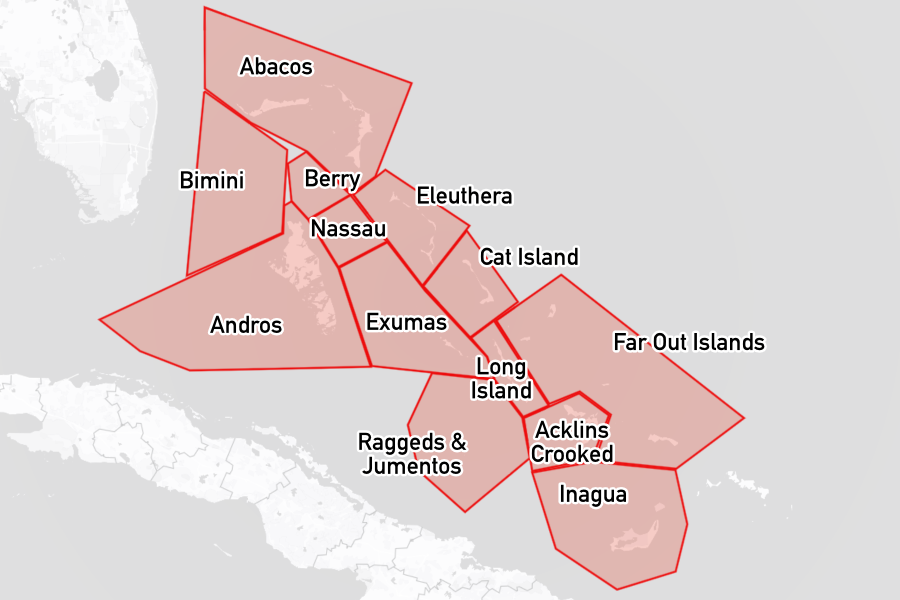
Explore sailing areas
Our sailing area guides contain the most useful information for cruisers, including top-rated places to stay, attractions, yacht services, and summaries of yacht clearance experiences.
- Abacos & Grand Bahama Popular for numerous safe anchorages and a mix of marinas.
- Bimini Close to Florida, and a common point of entry to and from the Bahamas.
- The Berry Islands Known for secluded anchorages and excellent fishing spots.
- New Providence & Nassau Offers comprehensive marinas and attractions near the capital.
- Andros Home to blue holes and diving spots with limited marina facilities.
- Eleuthera Renowned for pink sand beaches and a mix of anchorage options.
- The Exumas Attracts yachts with its marine parks and chain of anchorages.
- The Raggeds & Jumentos Islands Appeals to those seeking isolation and untouched natural beauty.
- Long Island Known for its dramatic cliffs and minimal yachting facilities.
- Cat Island Offers historical sites and cultural experiences for visiting yachts.
- Acklins and Crooked Island Characterized by quiet anchorages and sparse development.
- The Far Out Islands Visited for extreme isolation and niche adventure sailing.
- The Inagua Islands Features flamingo habitats and serves as a wildlife-rich destination.
Yacht clearance and notes for mariners
See the relevant sailing area page above for details.
The off-season
During the off-season, few cruising yachts remain in the Bahamas. Those that do tend to utilize storage facilities and marinas on major islands such as Nassau. With its location within the hurricane belt, most vessels opt to relocate to safer areas in the US or the southern Caribbean.
Facts for visitors
- Best times of year to sail here: November to June
- Most common type of shore power: 120V 60Hz
- Cost for provisioning: High
- Currency: Bahamian Dollar (BSD)
- Personal security: Generally safe with standard precautions
- Emergency phone numbers:
- Police: 919
- Fire: 919
- Ambulance: 919
- International dialing code: +1 242
- Time zone(s): UTC -5
Maritime history
The maritime history of the Bahamas is long and storied, marked initially by the arrival of the Lucayans, who were skilled seafaring people. This group established a vibrant culture that engaged in inter-island trading before Spanish colonization led to their decline. European influence began with Columbus's landing in 1492, naming the islands Bahama and setting the stage for foreign settlement.
During the age of colonial expansion, the Bahamas were strategic for both trade and naval power, particularly under British rule. The islands became a haven for pirates, with Nassau notorious as a pirate stronghold during the early 18th century. The British Crown cracked down in the late 1710s, leading to greater control and the islands becoming a key commercial outpost for transatlantic shipping routes.
In modern times, the Bahamas emerged as a major tourist destination, enhanced by its maritime links. Yachting and nautical tourism are now central to the economy, with numerous regattas and sailing events highlighting the islands' rich seafaring tradition. Nassau and other ports host a mix of historical landmarks, including the iconic Nassau Lighthouse, referencing the lasting maritime heritage that continues to draw sailing enthusiasts worldwide.
Today, the Bahamas maintain their legacy of maritime culture, evident in both traditional boatbuilding and contemporary yachting events. The islands' ports and natural harbors provide critical hubs for international vessels navigating the Caribbean, underscoring their enduring role in global sea travel.