
Bonaire
Last updated: 26 January 2026
At a glance
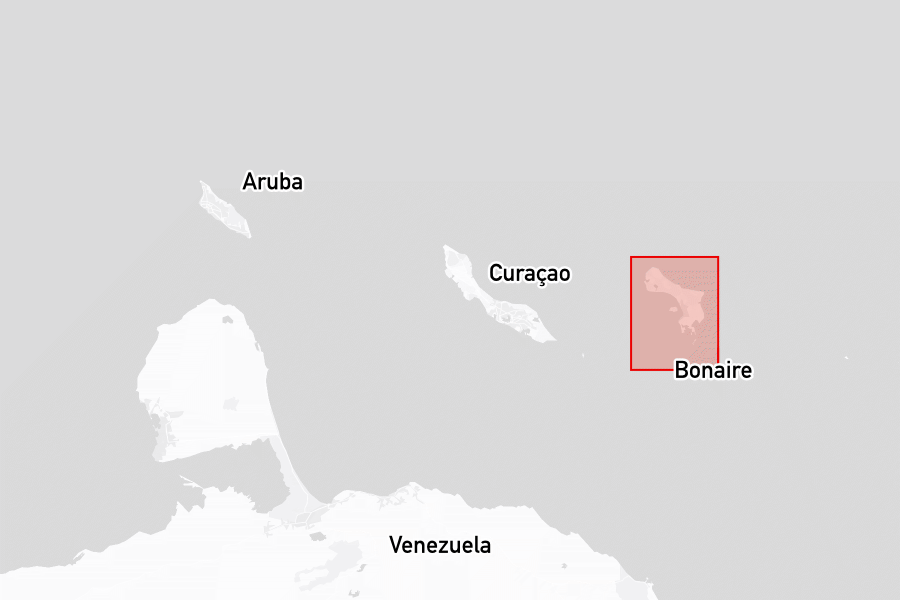
Bonaire sits in the southern Caribbean. Its dry, low-lying terrain and reef-lined shores give it a drier, more exposed cruising environment than many other Caribbean islands. Bonaire is a special municipality of the Netherlands with Kralendijk as its main town, and its calm, trade‑wind climate and laid‑back Dutch‑Caribbean culture make it a relaxed stop for cruising sailors, with much of its appeal lying in the reefs and underwater marine park.
Attractions
Kralendijk is the main hub for visiting sailors, with most provisioning, dining, and everyday services clustered along a compact waterfront. Anchoring is prohibited, so visiting yachts use the marine park moorings by the town.
Klein Bonaire is a regular stop for cruisers, valued for its sandy beach and straightforward dinghy run from Kralendijk. The undeveloped island is popular for swimming, beach walks, and BBQs, with no roads, buildings, or shore facilities.
Washington Slagbaai National Park in the north of the island is mostly visited by land, but some remote beaches and lagoons can be reached by kayak or shallow‑draft boats in settled conditions. For crews with time and suitable weather, it adds a quieter, more remote option.
Places to stay
Below are the most popular and highly rated places to stay, based on reviews from the noforeignland community:
Marinas

|
Nautico Marina
★
4.7
Dinghy docking is available for $10 weekly with a $20 key deposit. The marina is considered friendly, but it only provides shelter from easterly winds. Reservations are required for slip assignments.
|

|
Harbor Village Marina
★
3.9
Marina guests frequently comment on the friendly and welcoming staff. Facilities include pumps for waste disposal and a secure harbor. Practical amenities such as water and electricity are available, though some reviewers indicate that upgrades to bathrooms and hot water would be beneficial.
|
Moorings

|
Kralendijk
★
4.3
Mooring balls are available at a cost of $35 per day. Visitors should be aware of limited dinghy dock time, which is only 30 minutes. Several reviews indicate enjoyable snorkeling and convenient access to nearby restaurants and activities.
|
Boat services
Below are the most popular and highly rated boat services, based on reviews from the noforeignland community:
Chandlers
|
No image
|
Budget Marine
★
4.0
A small chandlery with a limited selection, it offers all the basics needed for boat maintenance. Friendly staff have received positive mentions. Notes suggest it serves as the main location in Bonaire for boat parts.
|
Boat services
|
Boto Blanku Marine Services provides engine servicing for outboards and parts sourcing. Reviews indicate responsiveness and reasonable pricing for repairs and parts. Tim and his team have been highlighted for effective communication and support.
|
|
Service capability for electrical issues was noted positively in one Review, highlighting Peter's efficiency and responsiveness. However, there are concerns regarding significant fraudulent activity related to advance payments, which resulted in a severe lack of trust among some visitors.
|
Yacht clearance links
Useful yacht clearance links:
- Bonaire: Visitor Entry Tax (online payment)
- https://tourismtax.bonairegov.com/
- Bonaire: Entry requirements
- https://infobonaire.com/getting-to-bonaire/entry-requirements/
- STINAPA: Pay the park fees online
- https://stinapabonaire.org/
- STINAPA: Marine park broshure
- https://stinapabonaire.org/wp-content/uploads/2022/06/STINAPA-BNMP-A3-folder-28-02-19-internet.pdf
- STINAPA: Marine park rules
- https://stinapabonaire.org/wp-content/uploads/2018/08/Boating-folder-05-04-17.pdf
- Noonsite: Clearance procedures, processes and fees.
- https://www.noonsite.com/place/bonaire/
Yacht clearance reviews
The following lists summarize noforeignland user reviews for clearing in at ports of entry and when using clearance agents in Bonaire:
Ports of entry offices
|
Staff can be friendly and efficient during the clearance process, with quick check-ins reported. Some users note potential staffing issues, suggesting visitors check in advance. Expect to need all crew present along with required paperwork.
Place details mention: check in steps, required documents, fees or payments, opening hours, prearrival requirements, departure requirements and official inspections.
|
Notes for mariners
Bonaire National Marine Park covers all coastal waters of Bonaire and Klein Bonaire from the high‑water mark to 60 m depth, with strict no‑anchoring rules and mandatory use of public moorings. Users must pay a marine park fee, attend a compulsory dive orientation before diving, and follow no‑touch, no‑take, no‑spearfishing rules that prohibit removing any natural material; visitors may not wear dive gloves without a permit, or build campfires on the beach.
Visiting boats usually base themselves on designated overnight marine‑park moorings off Kralendijk rather than anchoring. In some areas, additional short‑stay dive moorings may be available for daytime diving and snorkelling where this is permitted by current marine‑park rules; crews should always check the latest STINAPA guidance before using these moorings.
The off-season
Bonaire’s position below the hurricane belt makes it an attractive option for the off‑season. Those who stay often do so for the exceptional diving and snorkeling available directly from their boats. During this period, occasional changes in wind direction can cause the moorings to be exposed to strong wind and swell. Deep‑draft vessels should request deeper moorings to prevent damage under such conditions.
Facts for visitors
- Best times of year to sail here: December to May (June to November is also popular as a base south of the main hurricane belt)
- Most common type of shore power: 127/220V 50Hz
- Cost for provisioning: Medium, with local markets providing staples and imported goods around marina areas being pricier
- Currency: US Dollar (USD)
- Personal security: Generally safe, but petty crime and theft do occur; follow usual precautions.
- Emergency phone numbers:
- Police: 911
- Fire: 911
- Ambulance: 911 (and 114)
- Coast guard: 913
- International dialing code: +599
- Time zone(s): UTC -4
Maritime history
Bonaire's maritime history is interwoven with its early Indigenous inhabitants who relied on the sea for sustenance. The Caiquetios of the Arawak tribes were adept seafarers, having traversed from the northern regions of South America. Their presence left archaeological evidence scattered along the coasts, portraying a robust maritime culture.
The colonial period began with Spanish claim in the early 16th century, though Bonaire was later ceded to the Dutch in 1636. This transitioned the island into a strategic naval outpost within the Caribbean Sea. Salt production became a key industry, facilitated by maritime shipping, making the island an essential point for European trade.
Modern Bonaire retains its maritime heritage through extensive marine conservation efforts, underpinned by its designation as a marine protected area. The island hosts significant underwater ecological assets, drawing attention from global diving enthusiasts. Its harbors still resonate with historical echoes, reflected in old pier structures and salt plantations that narrate its enduring coastal legacy. Bonaire's maritime emphasis continues to evolve, interlacing history with contemporary commitment to sustainability.