
Saint Barthélemy
Last updated: 26 January 2026
At a glance
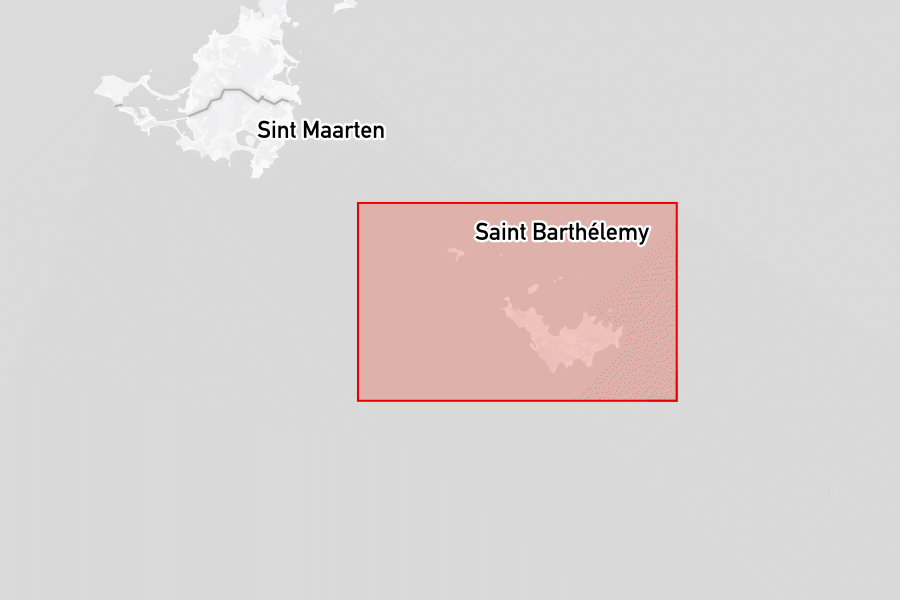
Saint-Barthélemy (St Barts) is a small French island in the northeastern Caribbean, with most cruising activity concentrated along the leeward coast around Gustavia and nearby bays. Anchorage and mooring options are limited, and exposure can be significant outside sheltered areas. The marine reserves are a popular highlight for cruising yachts.
Attractions
Gustavia is the island’s cultural and administrative centre, with historic streets and a compact harbour area reflecting its French and Swedish past. Don't miss the incredible views of the bay from the lighthouse. It’s the main place crews head ashore to wander the town, pick up supplies, and soak up everyday island life.
Close to Gustavia Airport, a well-known viewpoint at the end of the runway gives a close-up of arriving aircraft. Watching planes pass just overhead is a memorable stop for crews exploring the island.
Colombier Bay is valued for its undeveloped setting and marine reserve status. Further north Île Fourchue, an uninhabited island within Saint Barthélemy’s nature reserve, offers protected waters, scenic hikes and snorkeling close to shore.
Places to stay
Below are the most popular and highly rated places to stay, based on reviews from the noforeignland community:
Anchorages

|
Anse du Colombier
★
4.8
Anse du Colombier features beautiful beaches with well-maintained moorings available for free. Visitors appreciate the calm anchorage with vibrant marine life, although some report rolling conditions at times. Hiking trails provide scenic views and access to other beaches.
|

|
Ile Fourchue
★
4.7
Anchoring at this location is generally stable with good mooring options available. The area features clear waters and plentiful marine life, including numerous turtles. Visitors have noted occasional rolling conditions and the presence of other boats, which can affect tranquility.
|

|
Anse De Gouverneur
★
3.7
Anchorage in 3m of sand offers good holding, with calm conditions noted by visitors. However, some reported a rolly experience due to wrapping swells in certain wind conditions. The beach is described as beautiful, facilitating easy access to shore activities.
|

|
Gustavia
★
2.7
Expect a tightly packed anchorage with significant roll from swell and traffic. The anchorage conditions can lead to uncomfortable nights, though access to town offers dining and shopping nearby. Costs can be high, with recent stays reported around €40 per night.
|
Moorings

|
Ile Fourchue
★
4.8
Multiple Reviews highlight the well-maintained mooring buoys, providing a beautiful anchorage with clear water for snorkeling. Visitors note the rolling conditions at times and suggest the beach-side buoys for increased comfort. Hiking opportunities and unique island character add to its appeal.
|

|
Anse du Colombier
★
4.8
Mooring buoys are in good condition and part of the marine park fee. Visitors observe abundant marine life, including turtles. The area is generally quiet, with good conditions for snorkeling. A maximum stay of four nights is permitted.
|

|
Gustavia
★
2.8
Moorings in Gustavia are generally private and not available for use. Anchoring options may lead to a rolly experience, and although the bay is crowded, visitors note a beautiful nearby swimming beach. Costs for anchoring can be high, reaching €35 per night.
|
Boat services
Below are the most popular and highly rated boat services, based on reviews from the noforeignland community:
Chandlers

|
St Barth Marine
★
5.0
A well-stocked chandler offers a wide range of products, including electronics and courtesy flags. Though prices for electronics may be higher compared to other locations, hardware and cleaning products are at standard rates.
|
Yacht clearance links
Useful yacht clearance links:
- French Government: Custom clearance
- https://demarche.numerique.gouv.fr/commencer/declaration-clearance-antilles
- French Government: Port clearance guide for the French Antilles
- https://www.dm.martinique.developpement-durable.gouv.fr/IMG/pdf/clearance-guide_240805_094438.pdf
- Port de Gustavia: Online clearing
- http://clairances.portdegustavia.fr/home.php?ins=accueil.php
- Noonsite: Clearance procedures, processes and fees.
- https://www.noonsite.com/place/st-barts/
Yacht clearance reviews
The following lists summarize noforeignland user reviews for clearing in at ports of entry and when using clearance agents in Saint Barthélemy:
Ports of entry offices
|
Gustavia Port Authority
★
4.1
Offers: Port authority.
Efficiency varies at the port authority, with some reviews noting streamlined processes, while others report delays due to staffing issues. Multiple visitors praised the friendly staff and simple check-in requirements when using online forms. Clarity about fee structures is also highlighted.
Place details mention: check in steps, opening hours and prearrival requirements.
|
Notes for mariners
The trade winds influence the weather pattern here, typically blowing from the northeast and remaining steady throughout most of the year.
The off-season
There is no established off-season liveaboard community, and most cruisers relocate south to areas such as Grenada or Trinidad where protection and facilities are better suited to longer stays.
Facts for visitors
- Best times of year to sail here: December to April
- Most common type of shore power: 220-230 V, 60Hz, European-style plugs (type E)
- Cost for provisioning: High
- Currency: Euro (EUR)
- Personal security: Crime rate is low; petty theft can occur.
- Emergency phone numbers:
- Police: 17
- Fire: 18
- Ambulance: 15
- International dialing code: +590
- Time zone(s): UTC -4 (with no daylight saving)
Maritime history
Saint Barthélemy's maritime history is rich, beginning with its earliest known Arawak and Carib inhabitants who navigated its waters long before European arrival. The island was named by Christopher Columbus in 1493. It was subjected to European colonization attempts from the 17th century onwards, involving French and later Swedish control, which shaped much of its coastal development and trade routes.
By the 18th century, Saint Barthélemy had gained significance as a free port under Swedish rule after being ceded from France. This established the island as a hub for seafarers and merchants, enhancing its development as a trading center and influencing its architecture and infrastructures, such as the notable fortifications.
Modern Saint Barthélemy reflects a tranquil blend of its Swedish and French maritime legacies. The annual Saint Barth’s Bucket Regatta has become an event of repute, attracting luxury yachts and crew from around the globe, showcasing both the island's enduring maritime importance and its luxurious modern-day appeal.
Among the island's historical sites, Fort Gustav offers insight into its Swedish era, providing spectacular views of the duty-free port below and illustrating the strategic importance of Saint Barthélemy throughout its maritime past.