
Barbados
Last updated: 26 January 2026
At a glance
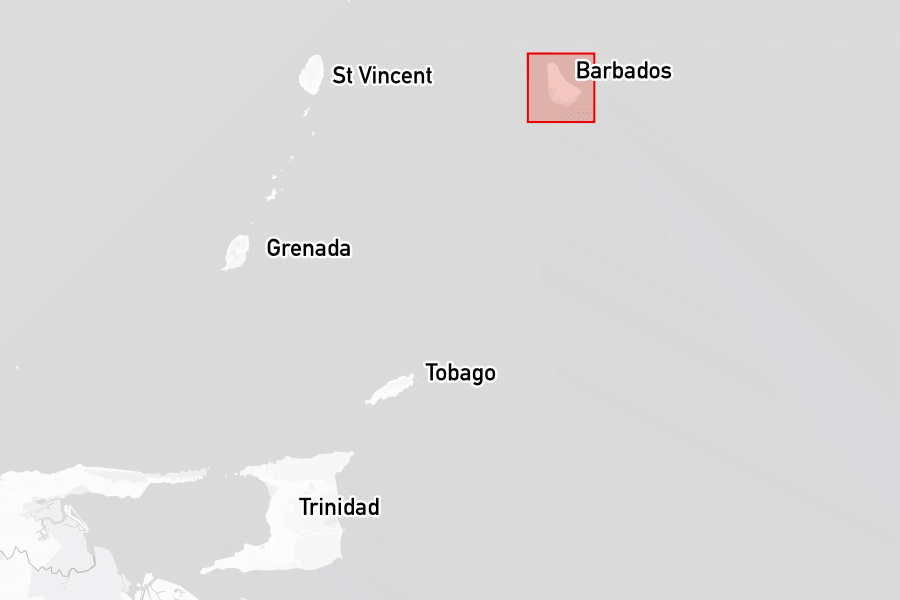
Barbados lies on the eastern edge of the Caribbean and is fully exposed to Atlantic swell, giving it a distinct cruising profile from islands farther west. For yachts, it has long served as a trans-Atlantic landfall. Ashore, English is widely spoken, and the island is known for its food and rum culture. Towns, markets, and historical sites are within easy reach of the main stops.
Attractions
Bridgetown, the capital, is the primary cultural centre, with historic streets, markets, and everyday amenities within easy reach of the waterfront.
Carlisle Bay Marine Park is one of the island’s main points of interest for visiting sailors, known for its shipwrecks and underwater sites that attract snorkeling and diving activity.
Ashore, a visit to Mount Gay Rum Distillery is a popular attraction and gives an insight into how one of Barbados’s best-known spirits is produced.
Places to stay
Below are the most popular and highly rated places to stay, based on reviews from the noforeignland community:
Anchorages

|
Speightstown
★
4.5
Anchoring conditions feature a sandy bottom with some roll and occasional jet ski activity. There are limited dinghy landing options, and many amenities are within walking distance. The nearby supermarket offers affordable goods, enhancing the overall convenience for visitors.
|

|
Port St Charles
★
4.0
The anchorage offers calm conditions apart from occasional swell and roll. Several visitors reported an easy check-in process and good access to nearby amenities. Turtles are present in the bay, enhancing the overall experience.
|
|
No image
|
Carlisle Bay South
★
3.8
Anchoring conditions are favorable with good holding in sand. Dinghy landing can be challenging due to swell and rocky beach access. Snorkeling at the nearby wrecks is highly recommended, contributing to a pleasant overall experience.
|
|
No image
|
Rihanna’s Front Yard
★
3.7
The anchorage exhibits good holding but can be slightly rolly. Snorkeling experiences vary, with some visitors finding the marine park average. Beach access and nearby jetty provide additional activities for visitors.
|
Boat services
Below are the most popular and highly rated boat services, based on reviews from the noforeignland community:
Chandlers

|
Carters Bridgetown
★
5.0
This chandler combines hardware and fishing supplies with reasonable pricing. Visitors appreciate the range of products available. The operational status is confirmed with no indications of closure.
|

|
Marine Power Solutions
★
3.5
The chandlery has a helpful entrance at the back and offers a great range of products. However, some visitors consider the prices to be excessively high. Visitors should check recent Reviews for additional context or updates.
|
Yacht clearance links
Useful yacht clearance links:
- Government of Barbados: Official list of ports of entry where vessels, including yachts, may lawfully enter
- https://www.gov.bb/Visit-Barbados/ports-of-entry
- Government of Barbados: Customs & Immigration Portal
- https://www.travelform.gov.bb/en
- Government of Barbados: Customs & Immigration clearance procedure
- https://barbadosport.com/barbados-yacht-masters-guide/
- Noonsite: Clearance procedures, processes and fees.
- https://www.noonsite.com/place/barbados/
Yacht clearance reviews
The following lists summarize noforeignland user reviews for clearing in at ports of entry and when using clearance agents in Barbados:
Ports of entry offices
|
Offers: Customs, and immigration.
Easy check-ins and check-outs are commonly mentioned, with staff noted as friendly and helpful. The procedures are efficient, often allowing a smooth experience. There are no entry fees, yet a departure fee is in effect, and facilities nearby provide additional dining options.
Place details mention: fees or payments.
|
|
Check-in processes are generally efficient, with reports of quick interactions in Carlisle Bay. However, visitors have noted significant delays and disorganization at Bridgetown during checkout. This location is operational but can experience staff availability issues.
Place details mention: check in steps and fees or payments.
|
Notes for mariners
Although Barbados sits on the eastern edge of the hurricane belt, it can be visited year-round with appropriate seasonal awareness. Trade winds dominate conditions for much of the year and strongly influence passage planning and local sailing.
The off-season
Barbados is relatively low risk for hurricanes compared with much of the Caribbean, but it is not a truly “safe” hurricane-season base and still requires serious precautions.
Facts for visitors
- Best times of year to sail here: December to May
- Most common type of shore power: 115–120V, 50Hz (North American-style plugs; some locations may offer 220–240V)
- Cost for provisioning: High
- Currency: Barbadian Dollar (BBD)
- Personal security: Exercise normal caution with extra vigilance in public places; avoid isolated areas (especially after dark), be careful at ATMs, and only use licensed taxis.
- Emergency phone numbers:
- Police: 211
- Ambulance: 511
- Coast Guard: +1-246-536-2948 or +1-246-536-2829
- International dialing code: +1 246
- Time zone(s): UTC-4 (no daylight saving time)
Maritime history
Barbados’s maritime history is deeply entwined with its colonial past and strategic location in the eastern Caribbean. The island was inhabited by Indigenous Amerindian peoples, including Arawak and likely Carib groups, before English colonisation in the early 17th century. With the arrival of the English, Bridgetown developed into a fortified port town that supported transatlantic shipping and regional trade.
Under British rule, Barbados became a major sugar-producing colony, and its economy was built on plantation agriculture and enslaved labour. Bridgetown grew into an important entrepôt and defended harbour within the wider British Atlantic trade and naval network, handling ships, supplies, and goods moving between Europe, Africa, and the Americas. The maritime infrastructure that supported this trade still shapes the historic waterfront and street patterns visible today.
In the modern era, Barbados has evolved into a prominent tourist destination while retaining an active sailing culture. Events such as Barbados Sailing Week and the Mount Gay Round Barbados Race underline the island’s ongoing role as a hub for regional and transatlantic yachts. For cruising sailors, Barbados serves both as a landfall at the end of an ocean passage and a base for exploring the southern Caribbean.
Visitors can explore historic sites such as Historic Bridgetown and its Garrison, a UNESCO World Heritage Site that illustrates the island’s colonial military architecture and its position in British Atlantic maritime trade. Coastal forts, harbour works, and shipwreck sites around the island provide further glimpses into how Barbados defended its shores and managed sea-borne commerce over the centuries.