
Aruba
Last updated: 26 January 2026
At a glance
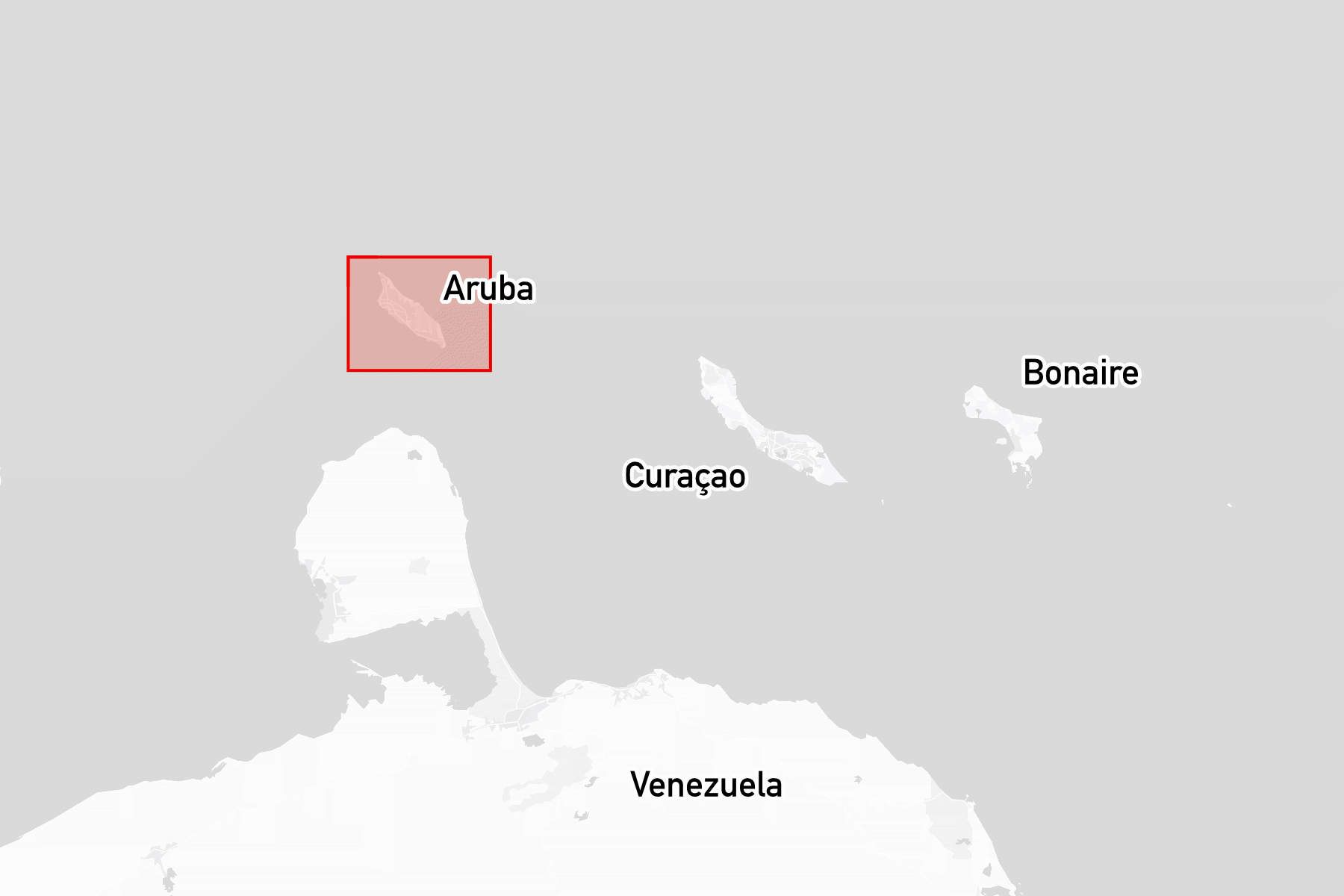
Aruba combines Caribbean and Dutch influences and lies on common southern Caribbean routes between the Windward Islands and the western Caribbean. Its position below the hurricane belt means it is frequently permitted by yacht insurance policies during the hurricane season.
Attractions
One of Aruba’s main attractions is its capital, Oranjestad, known for its nightlife and historic architecture. The town offers dining, shopping, and cultural sites, and serves as a convenient stop between sailing legs. A free tram runs through central Oranjestad and is widely used by visiting cruisers to get around and view the historic colonial buildings.
Along the north-west coast, near the island’s popular beaches, the wreck of the SS Antilla is one of Aruba’s best-known dive sites. Lying in shallow water, it is frequently visited by cruising sailors.
Places to stay
Below are the most popular and highly rated places to stay, based on reviews from the noforeignland community:
Anchorages
|
No image
|
Palm Beach
★
4.5
Calm anchorage provides easy beach access and scenic views of Aruba. Visitors appreciate the beautiful waters for diving and kiteboarding, with minimal wake from passing tour boats. Holding is variable, best in sandy areas with ample chain.
|

|
Arashi
★
4.5
Anchoring at Arashi involves depths around 3 meters with a sandy bottom. Users report decent snorkeling and low boat traffic. Caution is advised for steep dinghy landings, especially with wraparound swell.
|

|
Rodger’s Beach
★
3.4
Anchoring conditions vary significantly, with swell affecting comfort during stays. Despite the challenges, access to local beaches is convenient. The coast guard may visit for compliance checks, so visitors should be prepared for potential inquiries.
|

|
Surfside beach
★
3.1
Steady winds can exceed 25 knots, affecting anchoring conditions, particularly due to nearby taxi boats creating wake. Noise from bars and airplanes contributes to the overall disturbance. Holding is generally favorable on sandy bottoms.
|

|
Eagle Beach
★
2.2
Visitors experience significant noise from jet skis and nearby boating activity, affecting the atmosphere during the day. Despite favorable holding conditions for anchoring and a distant supermarket, access may be challenging without a dinghy dock.
|
Marinas

|
Boat haul-out services are reported as professional and efficient, particularly noted for smooth handling despite challenging weather conditions. Preparation for hurricane season is emphasized, with a focus on well-managed storage options. Visitors appreciate the experienced team and effective communication.
|

|
The marina features friendly and accommodating staff, offering access to various amenities including pools, a gym, and nearby restaurants. Visitors have highlighted the convenience of its location and the inclusion of hotel facilities, enhancing the overall experience.
|
Boat services
Below are the most popular and highly rated boat services, based on reviews from the noforeignland community:
Boatyards

|
The boat yard is suitable for self-service maintenance. Travelers mention the necessity of transportation for reaching shops and the presence of strong winds affecting work. Potable water quality is rated highly, and sanitation facilities are adequate.
|
Chandlers

|
DeepWater Marine
★
4.0
A small chandlery operates with limited sailboat hardware availability. It primarily offers supplies for maintenance tasks, such as paint and fiberglass materials, useful for visitors working in the nearby boatyard. Visitors should check recent Reviews for additional context or updates.
|
|
No image
|
Ship Chandler
★
4.0
A limited selection of Harken blocks, pumps, and fishing gear is available. Prices may be considered high. The inventory can adequately meet specific needs for marine supplies.
|
|
No image
|
Budget Marine Aruba
★
3.0
Budget Marine Aruba has a friendly atmosphere and provides free coffee. Visitors appreciate the helpful staff and layout. However, inventory depth may be insufficient for some needs, and documented issues with dinghy access have been reported.
|
Yacht clearance links
Useful yacht clearance links:
- NetherlandsWorldwide: Caribbean visa requirements
- https://www.netherlandsworldwide.nl/caribbean-visa
- Aruba Online: Online embarkation/ disembarkation (ED) card
- https://edcardaruba.aw/welcome
- Arruba Ports: Yacht entry procedures
- https://www.arubaports.com/main/yachting/
- Arruba Ports: Crew list form
- https://www.arubaports.com/main/wp-content/uploads/2014/06/immigration-form.pdf
- Arruba Ports: Custom clearance form
- https://www.arubaports.com/main/wp-content/uploads/2014/06/Custom_clearance_English.pdf
- Noonsite: Clearance procedures, processes and fees.
- https://www.noonsite.com/place/aruba/
Yacht clearance reviews
The following lists summarize noforeignland user reviews for clearing in at ports of entry and when using clearance agents in Aruba:
Ports of entry offices
|
Barcadera Immigration
★
4.2
Procedures require all crew to be present for immigration check-in and check-out. The service is efficient, with friendly staff available to assist. Anchoring options exist, and cleared customs or immigration directly accept communication from harbor control.
Place details mention: opening hours, prearrival requirements, check in steps, official inspections and required documents.
|
|
Barcadera Customs
★
3.8
Check-in procedures are generally efficient, with friendly immigration and customs staff. Some reviews note the complexities of docking, particularly with strong winds and shallow depths. No significant fees are mentioned, and customs typically only requires a brief inspection.
Place details mention: check in steps, opening hours, prearrival requirements and departure requirements.
|
|
Oranjestad Immigration
★
3.0
Procedural interactions at Oranjestad Immigration involve multiple documentation requirements. Visitors have noted slow processing times but have experienced polite staff. Timeliness in handling extensions is advised to avoid delays.
Place details mention: visitor visa requirements and opening hours.
|
Notes for mariners
The weather patterns around Aruba are stable, with prevalent trade winds from the east providing good winter sailing conditions. While the island lies outside the primary hurricane track, skippers should confirm that their insurance cover applies here.
The off-season
Aruba lies outside the main hurricane belt, and many yachts remain year-round.
Facts for visitors
- Best times of year to sail here: January to June
- Most common type of power: 127V 60Hz, with 220–240V available in some marinas
- Cost for provisioning: High
- Currency: Aruban Florin (AWG)
- Personal security: Generally low risk, with standard precautions advised.
- Emergency phone numbers:
- Police: 100
- Fire and ambulance: 911
- Coast Guard: 913
- International dialing code: +297
- Time zone(s): UTC -4
Maritime history
Aruba's history is marked by its strategic maritime location, initially valued by indigenous tribes engaged in coastal trade. Arrival of the Spanish in 1499 shifted the dynamics significantly, eventually leading to Dutch colonization in the 17th century. The island became a pivotal point in regional maritime routes, facilitating the movement of goods and cultural exchange across the Caribbean.
Colonial eras brought economic changes, highlighting Aruba’s role in the trade networks of the Dutch West India Company. The focus was on salt, gold, and aloe exports, necessitating robust maritime logistics. Fort Zoutman, the oldest building, remains a tangible link to these periods, symbolizing Aruba's strategic maritime importance.
The 20th century introduced modern shipping and tourism, reshaping the maritime landscape yet retaining old-world charm. Aruba's harbour developments transitioned the island into a key yacht and cruise ship destination. Modern-day sailors can explore this blend of past and present through accessible coastal attractions, enriching their understanding of the island's layered maritime legacy.