
Anguilla
Last updated: 26 January 2026
At a glance
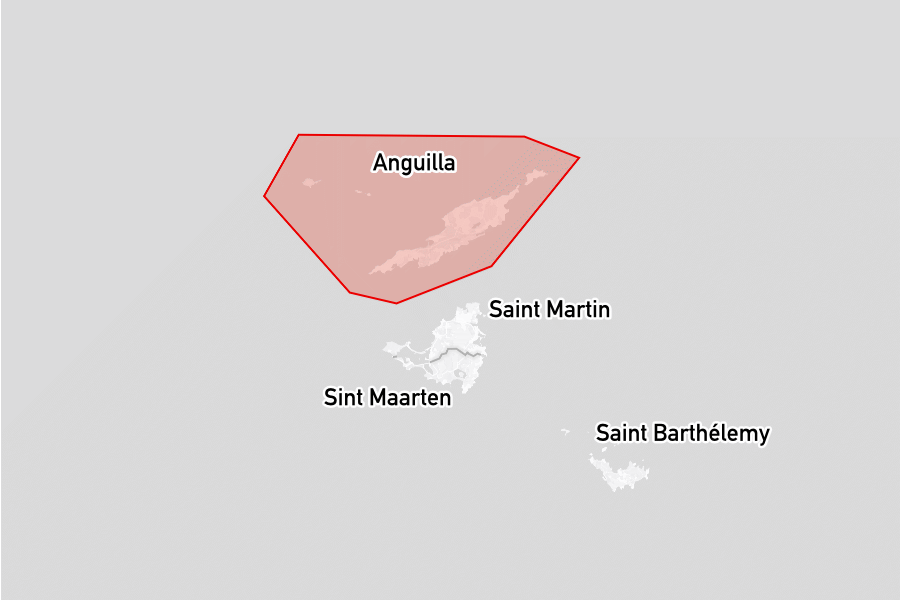
Anguilla is a low-lying island at the northern end of the Lesser Antilles, visited primarily as a short stop within the northeastern Caribbean. Cruising activity centres on a small number of commonly used anchorages, with limited shoreside infrastructure compared to nearby islands.
Attractions
Anguilla attracts visiting yachts with its uncrowded beaches and relaxed island atmosphere. Road Bay is the centre of activity for visiting sailors, combining clearance facilities with a compact area of beach bars and restaurants that form the island’s main social scene ashore.
Away from the main bay, the marine reserve around Prickly Pear Cay is the island’s primary natural highlight. This area is visited for snorkeling and its undeveloped character, offering a quieter Caribbean setting in settled conditions.
Places to stay
Below are the most popular and highly rated places to stay, based on reviews from the noforeignland community:
Anchorages

|
Anchoring in Island Harbour Bay is characterized by clear water at depths around 10 feet. Local assistance is available for navigation, and visitors are advised to follow electronic charts rather than surface markers. The area features a friendly atmosphere and opportunities for snorkeling.
|

|
Road Bay, South
★
4.5
Visitors have reported a comfortable anchorage with good holding. The nearby beach is ideal for swimming. Noise from beach bars can be significant at night, contrasting with the otherwise peaceful environment.
|

|
Road Bay
★
4.3
An anchorage with good holding in calm conditions. Customs check-in is straightforward, and visitors appreciate the nearby rental car options. The area features beautiful beaches, excellent for swimming, though depth may be a concern for some.
|
|
No image
|
Anchorage has limited and rocky space, with risks of grounding in certain areas. Some visitors reported a pleasant experience with swimming and snorkeling, while others experienced challenges with conditions. Caution is advised, particularly regarding swell and anchor holding.
|
Yacht clearance links
Useful yacht clearance links:
- The Government of Anguilla – Department of Immigration: eVisa online visa application
- https://evisa.gov.ai/
- Anguilla Tourist Board: Entry requirements
- https://ivisitanguilla.com/entry-requirements/
- The Government of Anguilla – Department of Fisheries and Marine Resources: Anguila marina park system
- https://naturalresources.gov.ai/wp-content/uploads/2022/02/NEW-MPA-Brochure.pdf
- The Government of Anguilla – Department of Fisheries and Marine Resources: Fisheries Unit forms
- https://naturalresources.gov.ai/department/fisheries-unit/
- Noonsite: Clearance procedures, processes and fees.
- https://www.noonsite.com/place/anguilla/
Yacht clearance reviews
The following lists summarize noforeignland user reviews for clearing in at ports of entry and when using clearance agents in Anguilla:
Ports of entry offices
|
Offers: Customs, and immigration.
Checking in and out is generally smooth, with friendly staff available. Various forms must be completed on-site, and fees apply, particularly for permits. Staying in Road Bay incurs no anchoring fees.
Place details mention: opening hours, cruising permits and visitor visa requirements.
|
Notes for mariners
After clearing in at Road Bay, you can obtain a cruising permit and, if needed, a Marine Park Mooring/Marine Park Permit from the local authorities.
At several popular locations in the Marine Park, fixed moorings are provided in place of free anchoring and are intended for short, daytime use. Environmental regulations within the protected areas are strictly applied, including bans on sewage or bilge discharge and on fishing or removing marine life, shaping how yachts plan stops and manage routine operations around the island.
The off-season
During the hurricane season, cruising activity around Anguilla drops sharply. The island sees limited long-term yacht presence during this period.
Facts for visitors
- Best times of year to sail here: December to April
- Most common type of power: 110-120v 60Hz
- Cost for provisioning: High
- Currency: Eastern Caribbean Dollar (XCD)
- Personal security: Generally safe, with minor precautions advisable in isolated areas
- Emergency phone numbers:
- Police, Fire, Ambulance: 911
- Maritime emergencies: +1 (264) 497-2871
- International dialing code: +1 264
- Time zone(s): UTC -4
Maritime history
Anguilla's maritime history is significantly shaped by its indigenous and colonial past. Originally inhabited by the Arawak people and later the Caribs, these groups relied on maritime navigation and regional trade across surrounding islands. The arrival of European explorers in the 17th century marked the beginning of western colonization, although Anguilla saw few permanent settlements due to its arid conditions and the limited economic incentives for colonial powers.
Throughout the colonial era, Anguilla served as a strategic outpost due to its proximity to other key islands. While it lacked the sugar plantations that defined other Caribbean territories, the island's location provided its residents leverage in regional trade, particularly in salt. The 17th and 18th centuries saw periods of tension and conflict, leading to British control that shaped the island's political landscape and maritime economy.
In recent decades, Anguilla has transitioned from its colonial history to becoming a peaceful destination known for maritime leisure. The island embraces its maritime culture through fishing, sailing, and the development of marine-related tourism. Events such as the Anguilla Regatta featuring traditional wooden boat racing, celebrate this heritage, drawing sailors from around the world to participate in this rich tradition of seafaring. Anguilla's maritime past, while less dominant than economic centers of the Caribbean, remains a pivotal aspect of its cultural identity, visible through its attractions and island-navigating tours.